Stayfound tracking card · native photos per philosophy arm
12 arms · 62 photos. Each is a real photo, untouched or with one small edit, showing a moment its arm's story names.
P1 · P2 · P3 · P4 · P5 · P6 · P7 · P8 · P9 · P10 · P11 · control
P1 · I WATCHED / MY LOST BAG / ON A MAP
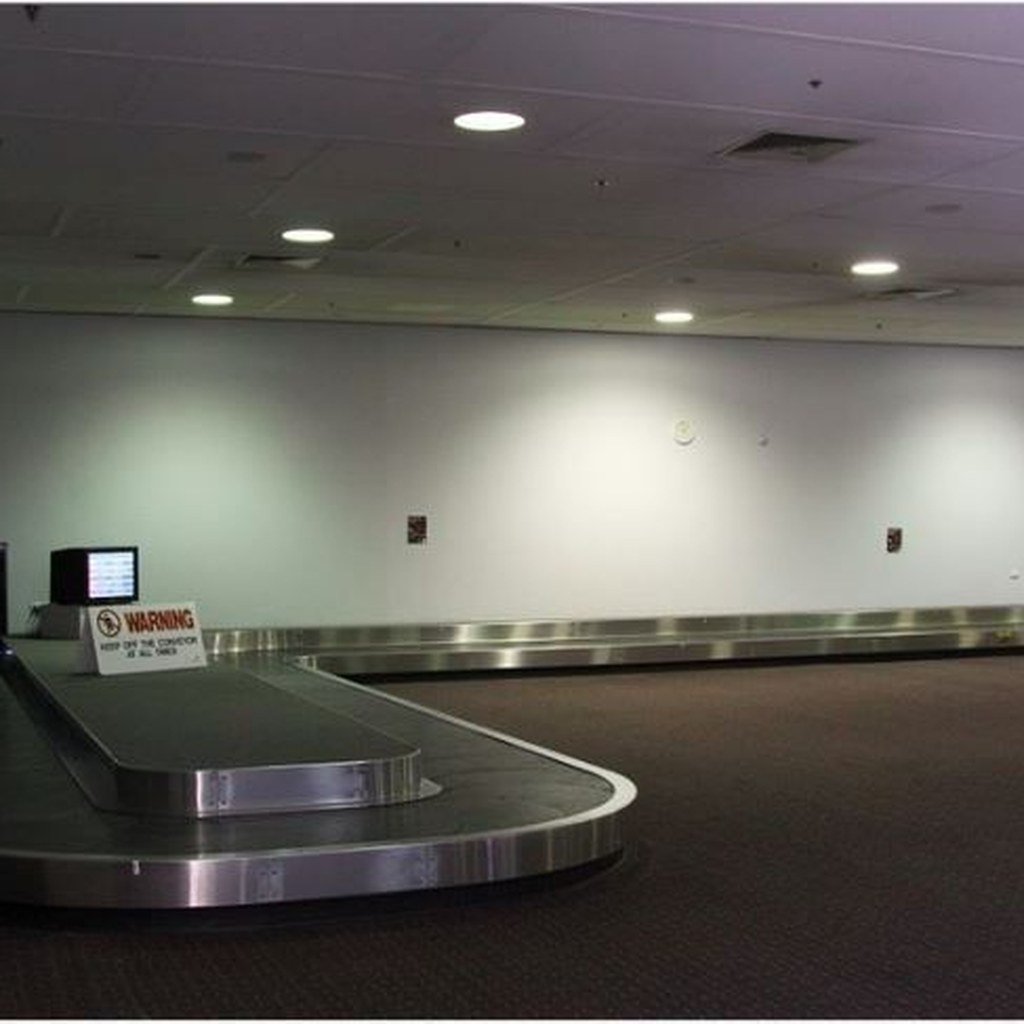
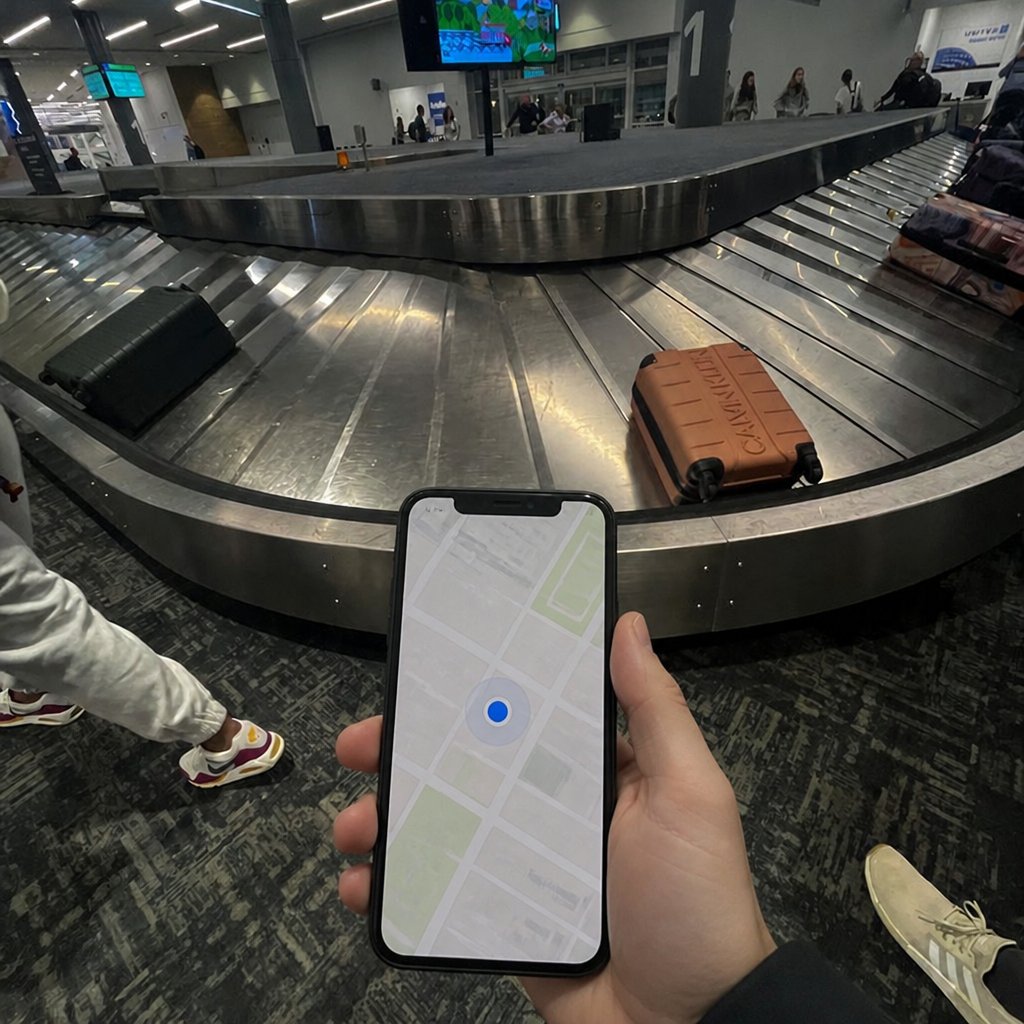
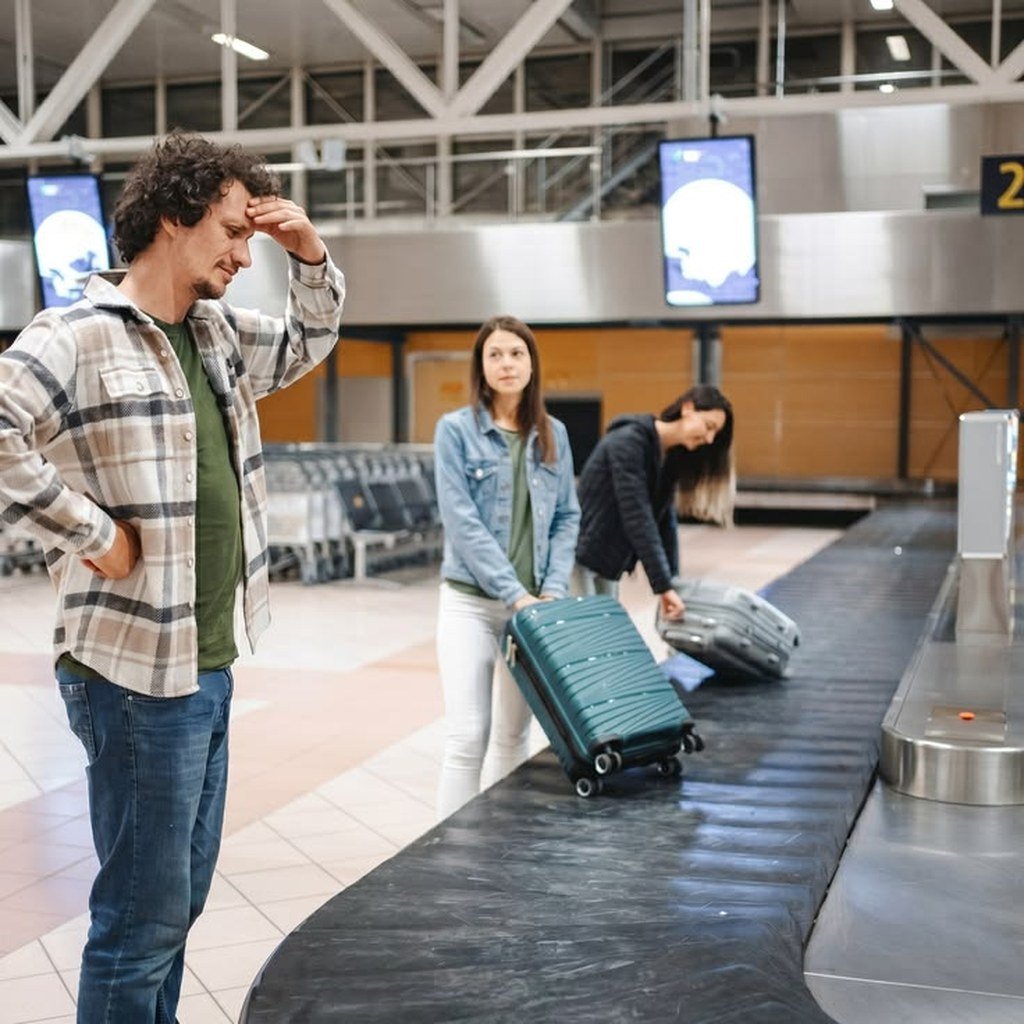
Travel / airline loses the bag (m01, lead door): since 2021 travellers watch their own bag on a map while the airline says it does not know where it is
Long body (1179 words), as it runs live
I watched my lost bag move across a map while the airline kept telling me it had no idea where it was, and I only could because of a flat card in the lining.
When my daughter first gave it to me, it looked like nothing, a thin piece of plastic the size of a credit card with one small light on the edge.
It was the sort of thing you zip into a suitcase and forget, and I almost left it at home before I packed.
What stopped me was her note, a single line telling me to leave the card in the bag and promising I would thank her, underlined twice.
She said it was a tracking card with a small pad to charge it on, and the note made me push it down into the lining where she had put it.
Let me back up, because I fly a few times a year and have seen every kind of mess, from bags that come out soaked to a case that once did not turn up for a week.
In all that time I had never once gotten a bag back after the airline called it lost, right up until this trip home.
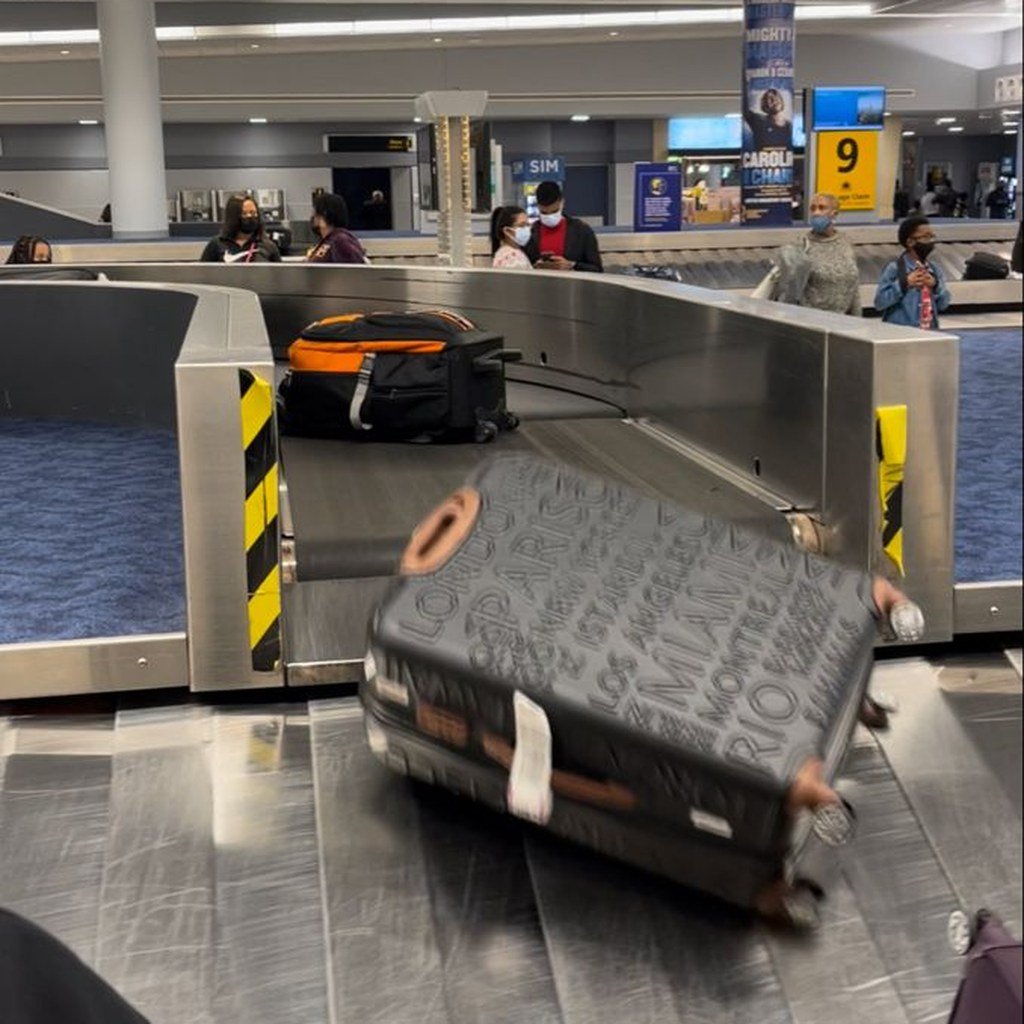
I forgot the card was in there for the whole first leg, and then at the end of two connections my bag simply never came off the belt.
I stood at the carousel until it stopped turning and mine was the only name left, and I am fifty-nine and have flown for work most of my life.
A delayed case that turns up a day late is nothing, but this time the bag was properly gone and everything I needed for the week was inside it.
It was the kind of loss where you fill in a form and simply hope, and the desk told me to file a report and wait.
They said the system showed the bag scanned at the connecting airport, and that after that scan there was nothing more anyone could see.
Filing the report was as far as their job would ever take them, so I remembered the card in the lining and my daughter's note promising I would thank her.
I opened the app the card paired to, and what came up stopped me where I stood, a map with a single dot two cities away at a sorting hub.
Beside the map was a thread of thousands of travellers sharing the same story, and one explanation kept repeating about why most lost bags never find their way home.
The same idea came up again and again from people with nothing else in common, one who found a case in a day and one who watched a bag cross the country.
I was sceptical and half sure it could not be that simple, but the stories were far too specific to wave away.
One man wrote that his airline called his bag lost for good, and he watched it travel for three days before telling them which depot to collect it from.
A woman had her case put on the wrong plane, saw where it had landed, and had it couriered home without waiting on the airline at all.
I read for the better part of an hour, including a woman on a layover whose bag had never left the first airport and who simply went back for it herself.
A grandfather who had lost three cases said this card did more than every claim form he had filed, and a family whose bag went to the wrong country told the airline exactly where to collect it.
I looked at the charging pad in my hotel room and finally understood the note, because my daughter had known exactly what she was giving me.
So let me tell you what the thread explained, because when an airline loses your bag its whole job is a report and, if the bag never turns up, a payment for what was inside.
The last time a scanner read the tag is the last thing anyone at that desk can tell you, and nobody there is sent out to walk the warehouse and find it.
The bag keeps moving with the next flight while the people you are talking to fill in a form, which is where the loss really comes from.
Forms and payouts do not find your bag, because all they can do is pay you for it later, long after it has gone.
To get it back you need the one thing the airline does not have, which is something inside the bag that can report where it is.
The card sends a small signal that any passing phone picks up and relays back to you with the last place it was seen, so the location shows up on your own screen.
All of it works in the background while the bag moves, with no wiring and nothing to plug in for months, which puts the location back in your own hands.
I showed the dot to the baggage agent and told her exactly which hub it was sitting in, and one screen was all it took before she stopped reading me the policy.
The bag was not in my hands yet, but it was there on the map, so she started making calls, named the hub, and chased the next flight out.
Within two days the bag was couriered to my door, and an hour of checking later everything inside it was still there.
The card my daughter gave me is called Stayfound, built for the exact problem the thread described, because most trackers are a loud puck or a round tag that rattles in a case.
This one lies flat in the lining and shows you where the bag is, and I bought one for my brother, who says it is the only thing that ever showed him where a lost case went.
Since then I have pressed one on a dozen people I fly with and every one has thanked me, which is what I wish someone had told me years ago.
A report will never find the bag for you, so a Stayfound card is the only thing I have found that shows you where it went, and it comes three to a pack now, one for every case you check.
I was glad I had kept mine the day the belt stopped turning, and they back it with a lifetime warranty and a hundred days to send it back if it never helps you once.
Based on what I watched on that map, and four quiet words from my daughter, I do not think you will ever be sending it back.
If you are flying anywhere this year, here is everything it is and where to get it:
1.8mm thin, works with Apple Find My, no wiring, no subscription, 8 months per charge, over 1,000,000 sold.
💳 Buy 2, Get 1 Free: 3 cards for $78, free shipping, lifetime warranty, 100-day returns. Shop at stayfoundco.com
P2 · I STOPPED / LOSING MY / WALLET AT HOME
Everyday wallet loss at home, self-blame door (candidate C second spine): stop being the person who loses things; the card records where you set it down

Long body (1156 words), as it runs live
I stopped being the person who loses their wallet somewhere in their own house every single week, and it changed because of a flat card my sister gave me.
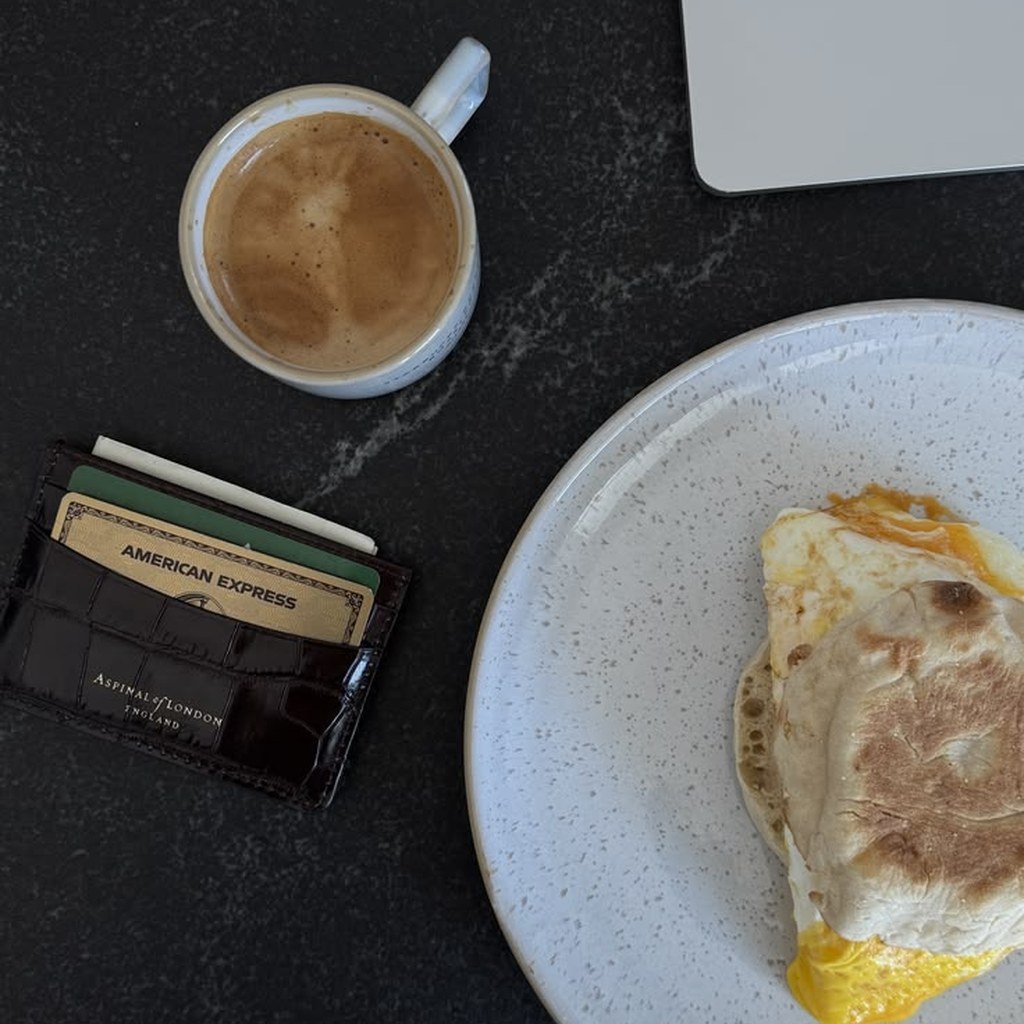
When she first handed it to me, it looked like nothing, a thin piece of plastic the size of a credit card with one small light on the edge.
It was the sort of thing you drop in a drawer and forget, and I almost handed it straight back to her.
What stopped me was the note she had taped to the box, a single line telling me to stop tearing the house apart and promising this would help, underlined twice.
She said it was a tracking card with a small pad to charge it on, and the note made me slip it in with my cards instead of leaving it in the box.
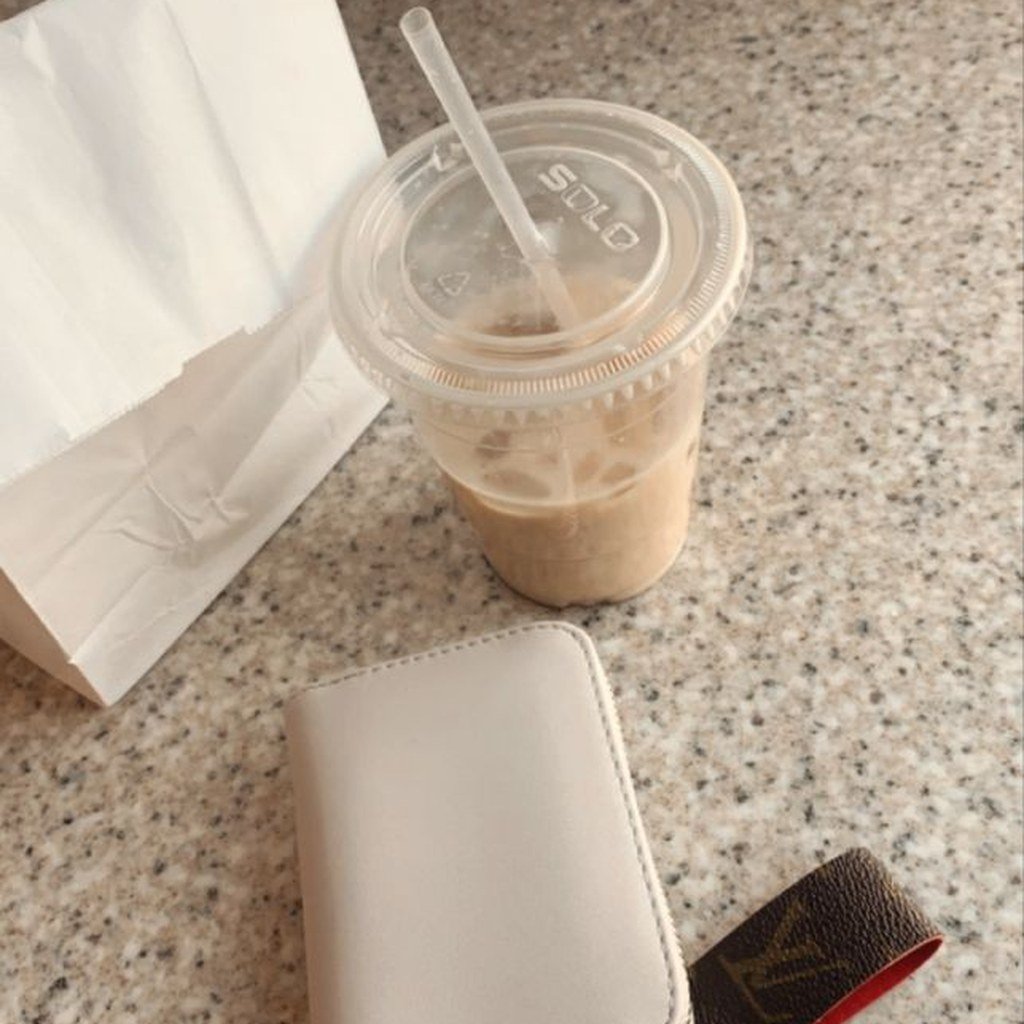
Let me back up, because I have lost my wallet at home for as long as I can remember, on the couch, the kitchen counter, a coat pocket, and once in the fridge.
In all those years I had never once found it without turning the whole house over first, right up until this year.
I forgot the card was there for the first few days, and then, already late one morning, the wallet was simply gone again.
I am sixty-two and have lost things at home for most of my life, usually in ways that cost me nothing worse than ten frantic minutes before I leave.
This time was worse, because I had cancelled cards the week before that were never really lost, and I was tired of the whole thing.
It was the kind of morning where you tip the whole bag out and still come up empty, and everyone told me the same thing, to be more organised.
They said my memory was just bad and that bad memory does not change, so I slowly came to believe I was careless and always would be.
That morning I remembered the card in with my cards, and my sister's note promising that it would help.
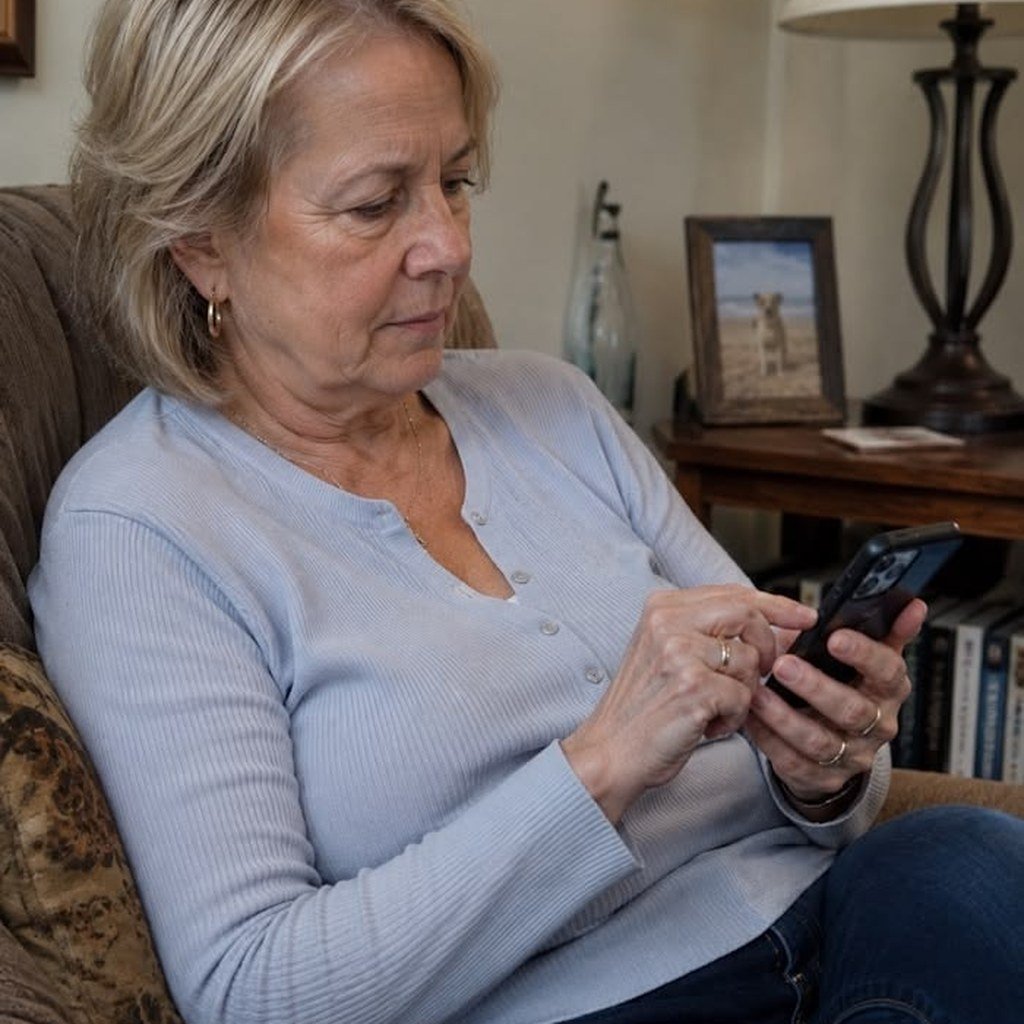
I opened the app the card paired to, and what came up stopped me where I stood, a map with a single dot sitting on the arm of the couch.
Beside the map was a thread of thousands of people sharing the same story, and one explanation kept repeating that I had never once been told.
The same idea came up again and again from people with nothing else in common, one who stopped searching and one who stopped cancelling cards she never truly lost.
I was sceptical and half sure I really was just hopeless, but the stories were far too specific to wave away.
One woman wrote that she had been called scatterbrained for years, slipped a card in her purse, and never tore the house apart again.
A man kept losing his keys at home, put a card on the ring, and found that his mornings simply went quiet.
I read for the better part of an hour, including a teacher who had cancelled three cards she never lost and now taps her phone and walks straight to the wallet.
A grandmother who had started hiding the problem from her family said this did more than any reminder ever had, and a man whose wife nearly gave up on him has not lost his wallet in the house since.
I looked at the charging pad on my dresser and finally understood the note, because my sister had seen something about me that I could not.
So let me tell you what the thread explained, because a wallet does not vanish at home because you are careless, and that one idea changed how I saw myself.
It slips your mind in the small automatic second when you set it down, and your memory never recorded that moment at all, which is why retracing your steps leads nowhere.
A careless person and a perfectly ordinary one look exactly the same from the outside, with the same frantic search, the same dumped-out bag and the same quiet shame.
What sets the two apart has nothing to do with effort, and everything to do with whether the wallet itself can tell you where it is, because your memory was never going to.
To find it fast you need the one thing your memory cannot give you, which is something in the wallet that answers when you ask where it has gone.
The card sends a small signal your own phone can read, and it shows you the last place the wallet sat, so you tap once and it plays a sound until you reach it.
All of it asks no new habit of you at all, with no wiring and nothing to plug in for months, because the wallet simply speaks up for itself.
I slipped the card in and left it there, and the mornings changed faster than I expected, because the first week was already a little calmer.
By the second week whole mornings went by where I never once thought about my wallet, and by the end of the month I walked out without patting a single pocket.
The card my sister gave me is called Stayfound, and it did not fix my memory, because my memory was never the broken thing in the first place.
Most trackers are a loud puck or a round tag that bulges in a pocket, and neither is the shape a wallet needs, while this one lies flat with your cards and answers when you ask.
I bought one for my daughter, who loses her keys the way I lose my wallet, and she tells me her mornings are quieter too.
Since then I have pressed one on a dozen friends who lose things and every one has thanked me, which is what I wish someone had told me years ago.
A reminder will never find the wallet for you, so a Stayfound card is the only thing I have found that tells a careless person from an ordinary one, and it comes three to a pack now.
I was glad I had kept mine the morning I was already late, and they back it with a lifetime warranty and a hundred days to send it back if it never helps you once.
Based on the quiet mornings I have had since, and five words from my sister, I do not think you will ever be sending it back, because she had seen that I was never careless at all.
If you have spent years being told you are just forgetful, here is everything it is and where to get it:
1.8mm thin, works with Apple Find My, no wiring, no subscription, 8 months per charge, over 1,000,000 sold.
💳 Buy 2, Get 1 Free: 3 cards for $78, free shipping, lifetime warranty, 100-day returns. Shop at stayfoundco.com
P3 · SAW WHERE / MY STOLEN / WALLET WENT
Pickpocket, theft abroad (m05): the owner can see where a stolen wallet went when the police cannot (location only, never a recovery promise)
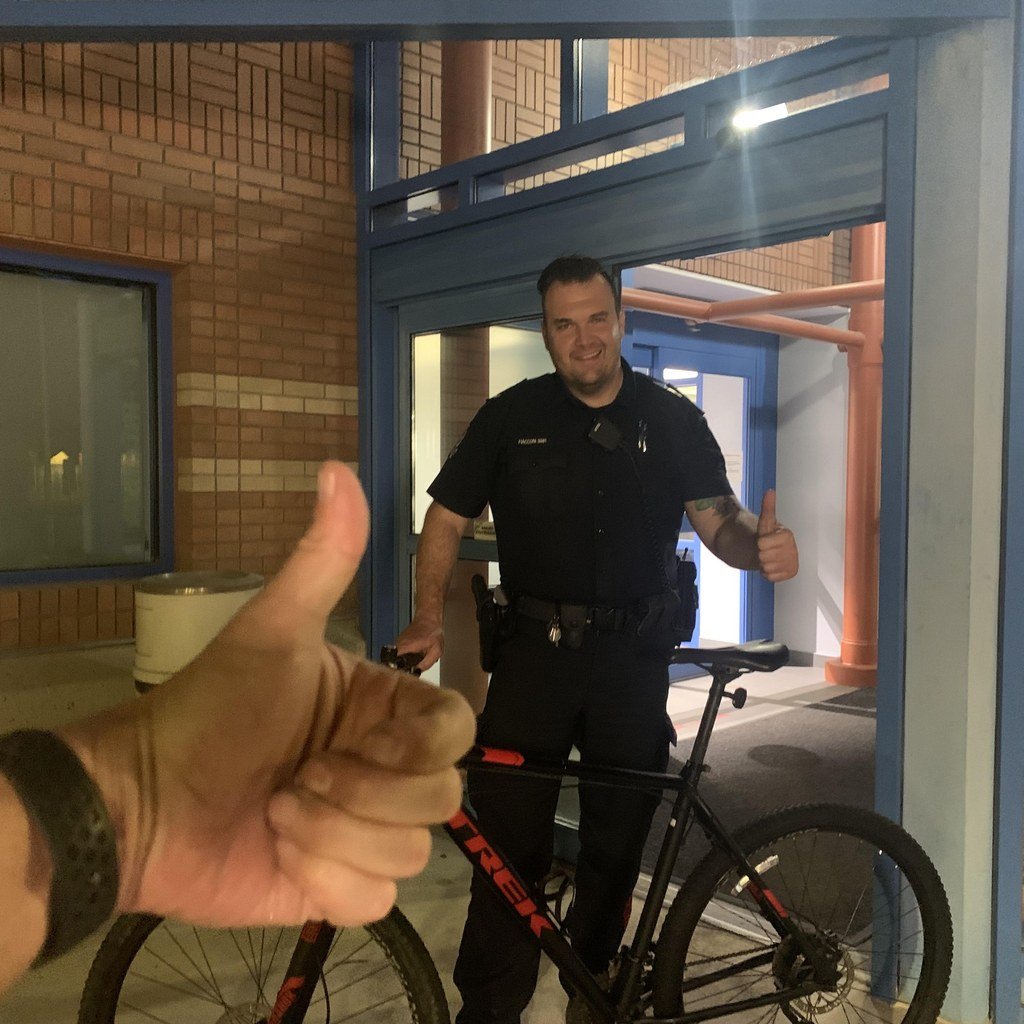
Long body (1199 words), as it runs live
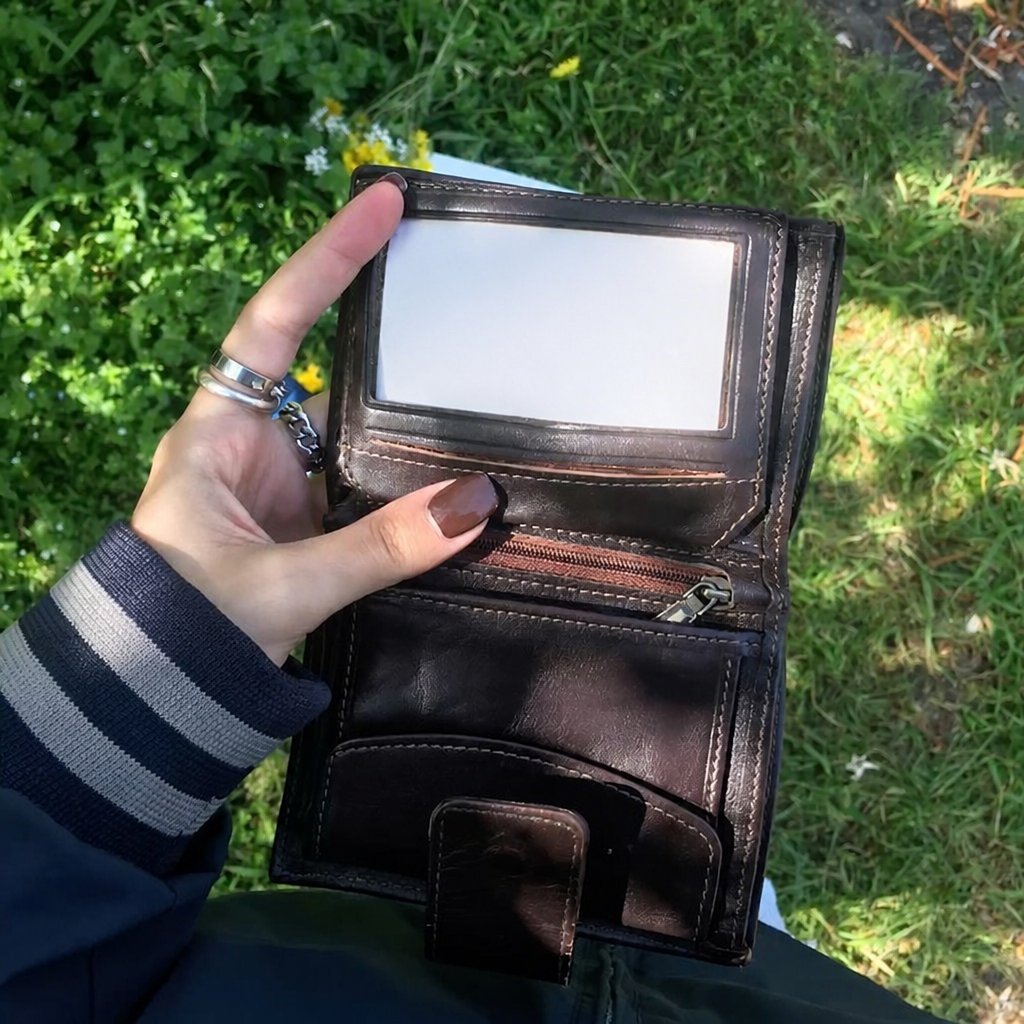
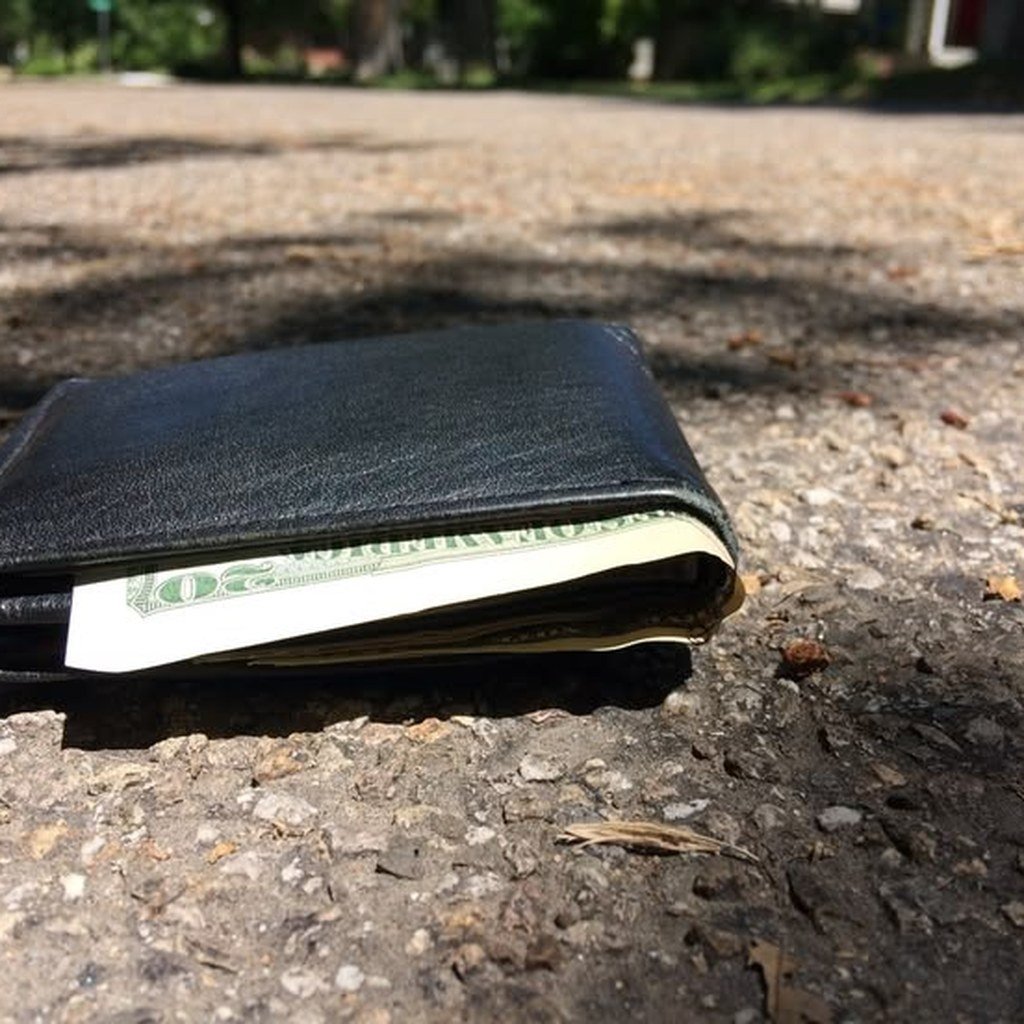
I saw exactly where my stolen wallet went, long after the police had filed their report and moved on, and I only could because of a flat card in with my cards.
When a friend first gave it to me, it looked like nothing, a thin piece of plastic the size of a credit card with one small light on the edge.
It was the sort of thing you tuck behind your bank cards and forget, and I almost left it at home before the trip.
What stopped me was his message, a single line telling me to carry the card abroad and promising I would see why, and he clearly meant it.
He said it was a tracking card with a small pad to charge it on, and the message made me slide it in with my cards where it would look like one more.
Let me back up, because I travel every year and thought I was careful, with zipped pockets, my bag in front, cash split in two and once a money belt under my shirt.
In all that time I had never once gotten anything back after it was stolen, right up until this trip.
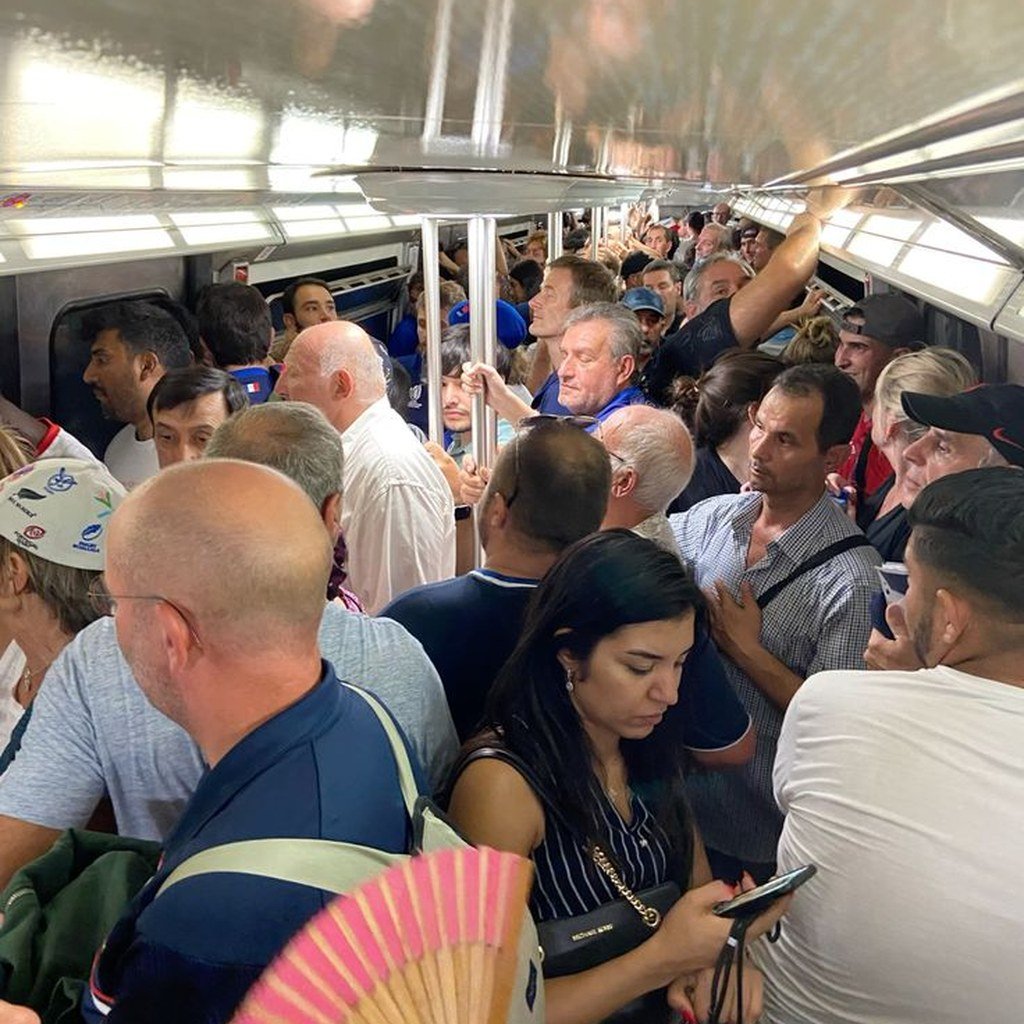
I forgot the card was there for the first week, and then, on a crowded tram, my wallet was simply gone.
By the time I noticed the pocket was open the wallet and whoever took it were both gone, and I am forty-seven and have been pickpocketed twice before.
Those times cost me nothing worse than a lost afternoon, but this time my ID and every card I owned were inside it.
It was the kind of loss where you start freezing cards before you even sit down, and I found a police station and filed a report.
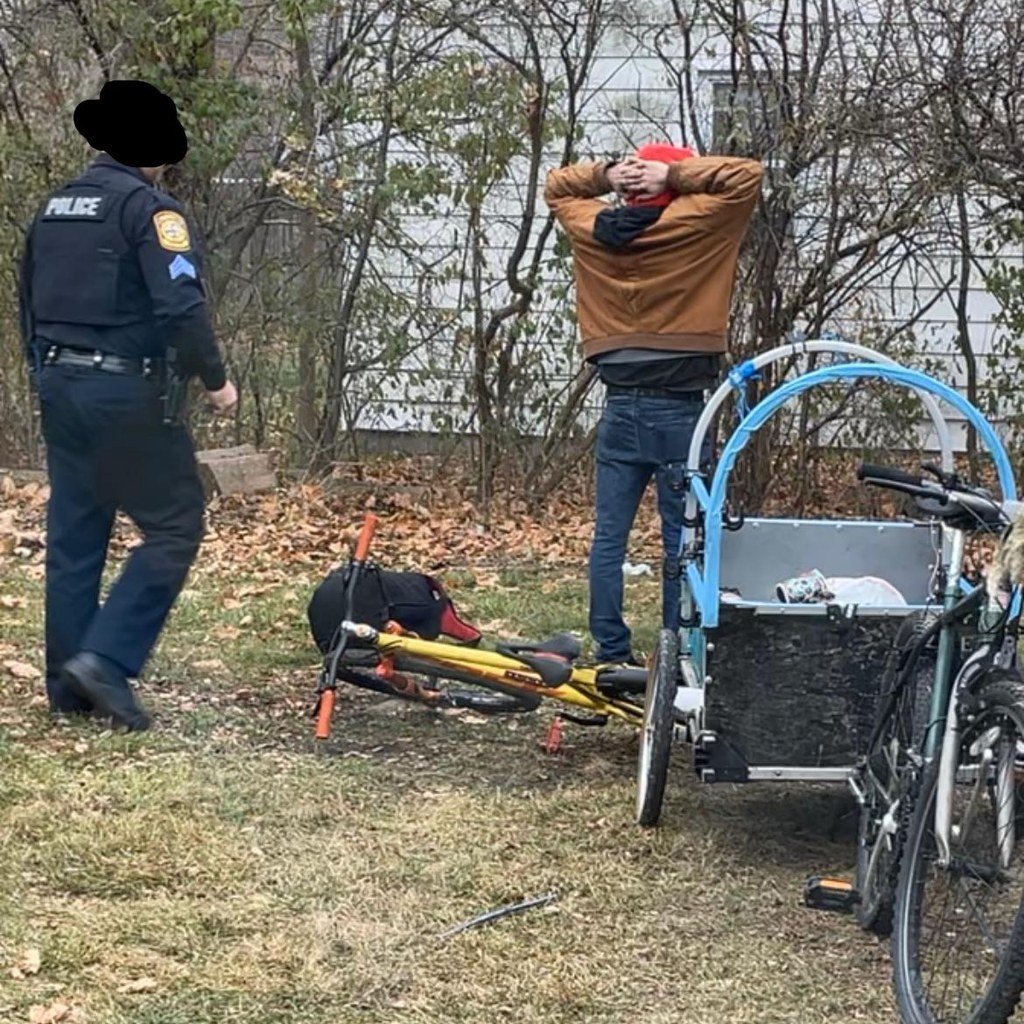
The officer was honest that pickpocketed wallets there almost never come back, and that the police clear only about one of these cases in eight.
He wrote it down and gave me a number for my insurer, and that was as far as it would ever go, so I remembered the card in with my cards and my friend's message.
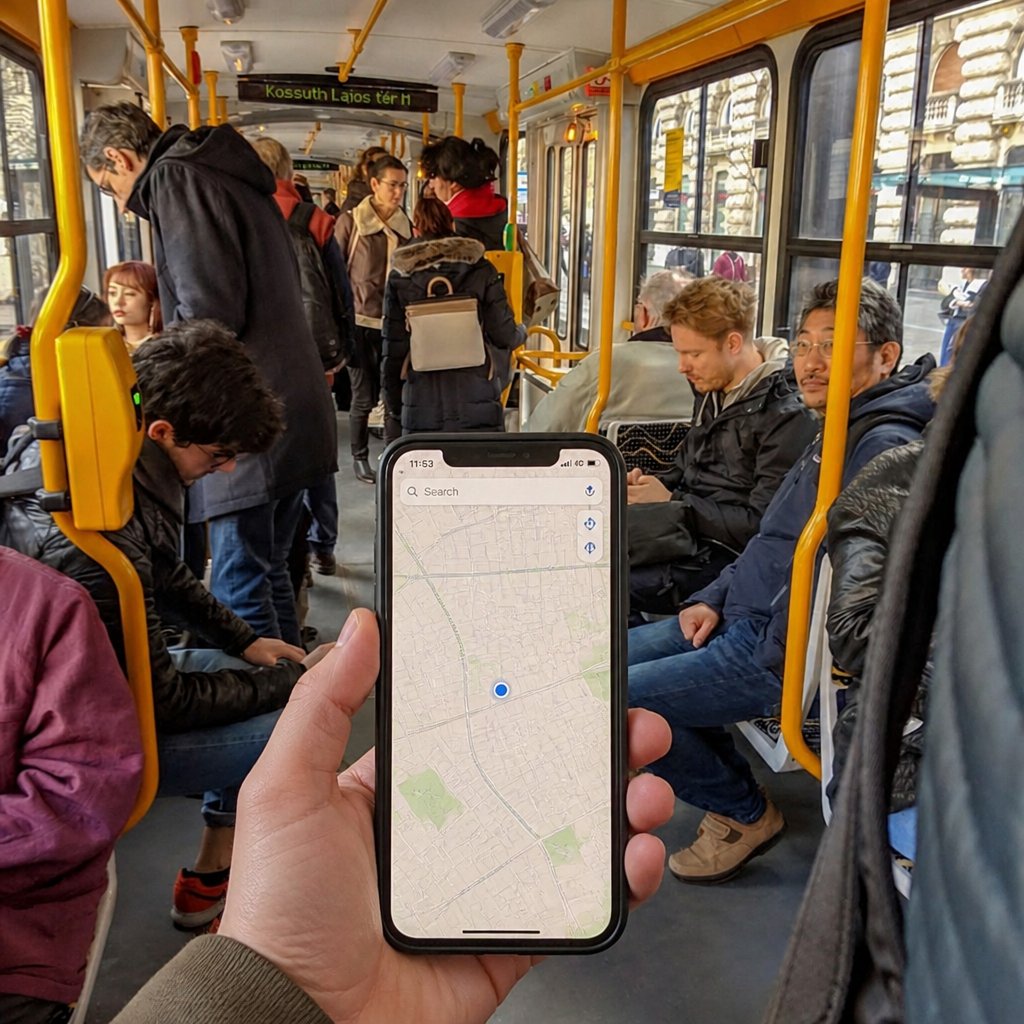
I stepped outside and opened the app the card paired to, and what came up stopped me where I stood, a map with a single dot in a courtyard a few streets away.
Beside the map was a thread of thousands of travellers sharing the same story, and one explanation kept repeating about why most stolen wallets are written off the moment the report is filed.
The same idea came up again and again from people with nothing else in common, one who saw where a bag was dropped and one who pointed security to the spot.
I was sceptical and half sure it could not be that simple, but the stories were far too specific to wave away.
One man wrote that his wallet was lifted in a station, that he watched where it was dumped, and that he pointed the guards straight to it.
A woman had her purse taken at a market, saw it stop two blocks away, and told an officer exactly where to look.
I read for the better part of an hour, including a student whose bag was snatched on a train and who was showing the police the spot an hour later.
A retired teacher who had been robbed three times said this card did more than every report he had filed, and a couple whose bag went in a café handed the officer the address themselves.
I looked at the charging pad in my room and finally understood the message, because my friend had known exactly what he was giving me.
So let me tell you what the thread explained, because after a theft everyone you call is there to record the loss and help you replace it rather than to find it.
The bank cancels your cards and posts new ones within the week, and the police take the report so your insurer has a case number.
Not one of them is ever going to go out and find where the wallet actually is, because that was never their job in the first place.
That is where the loss really comes from, because cancelled cards and case numbers do not find what was taken and only close the books on it.
To get it back you need the one thing none of them have, which is something inside the wallet that can report where it is.
The card sends a small signal that any passing phone picks up and relays back to you with the last place it was seen, so the location shows up on your own screen.
It is not a live tracker that chases a moving target, and it simply shows you the last spot a phone went past it, which is far more than a report number ever gave me.
It needs no wiring and nothing to plug in for months, and because it looks like one more card the person who emptied my pocket left it sitting right where it was.
I did not go charging after anyone, and instead I took that address straight back into the station and handed it to the officer to decide what to do.
The wallet was not in my hand yet, but for the first time in the whole ordeal somebody knew where it was, and that somebody was me.
The card my friend talked me into is called Stayfound, built for the exact problem the thread described, because most trackers are a loud puck or a round tag that bulges in a pocket.
A thief empties a pocket in seconds and throws a hard lump away first, while this one looks like one more card and stays in the wallet, which is why it works when a report cannot.
I bought one for my sister, who travels alone a lot, and she says it is the only thing that ever gave her a location instead of a shrug.
Since then I have pressed one on a dozen people I travel with and every one has thanked me, which is what I wish someone had told me years ago.
A stolen wallet is rarely gone the second it leaves your pocket, and more often it is simply somewhere no one has looked, so a Stayfound card is the only thing I have found that lets you see it, and it comes three to a pack now.
I was glad I had kept mine the day the tram emptied out, and they back it with a lifetime warranty and a hundred days to send it back if it never helps you once.
Based on what I saw on that map, and four quiet words from a friend, I do not think you will ever be sending it back.
If you are travelling anywhere pickpockets work, here is everything it is and where to get it:
1.8mm thin, works with Apple Find My, no wiring, no subscription, 8 months per charge, over 1,000,000 sold.
💳 Buy 2, Get 1 Free: 3 cards for $78, free shipping, lifetime warranty, 100-day returns. Shop at stayfoundco.com
P4 · I TRACK / MY MOM'S / PURSE NOW
Gift / parent (m11): the careful one puts a card in the bag of the one they love; the largest trigger in the converted reviews

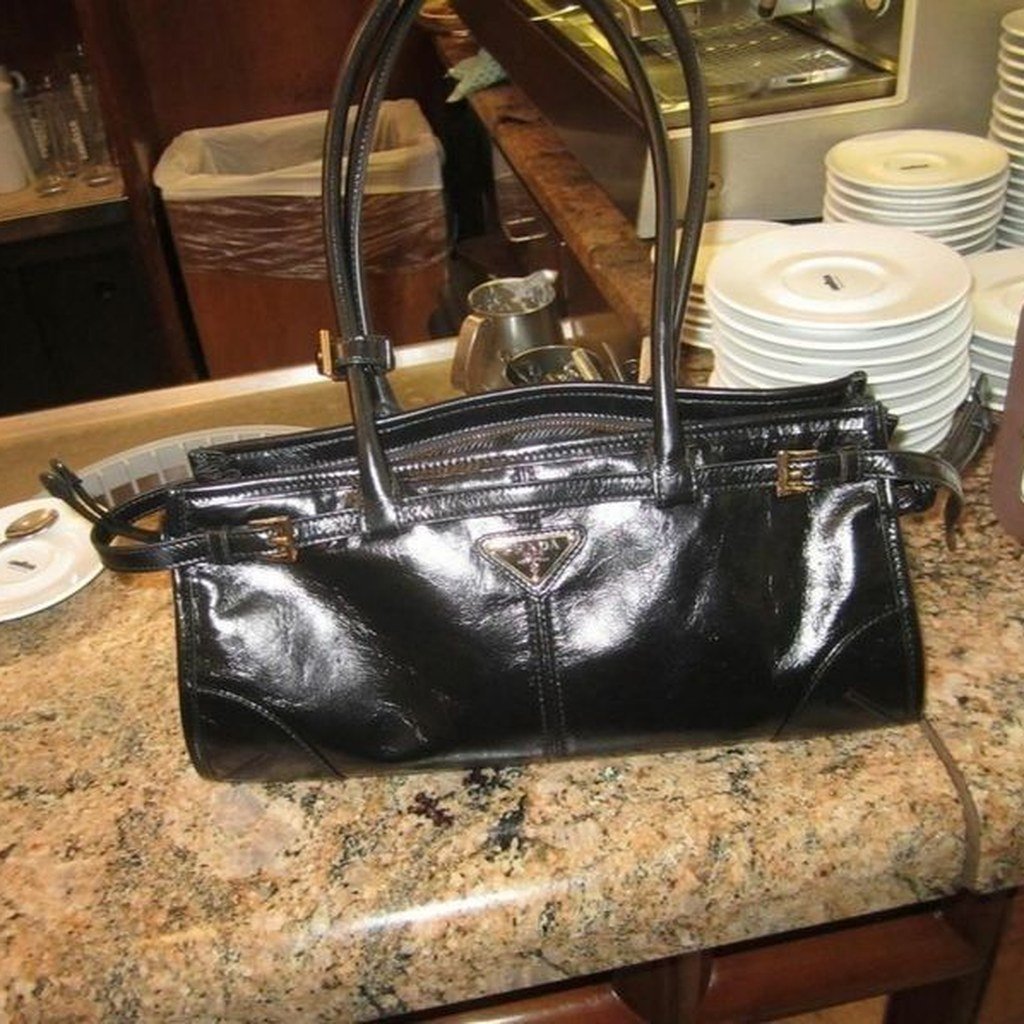
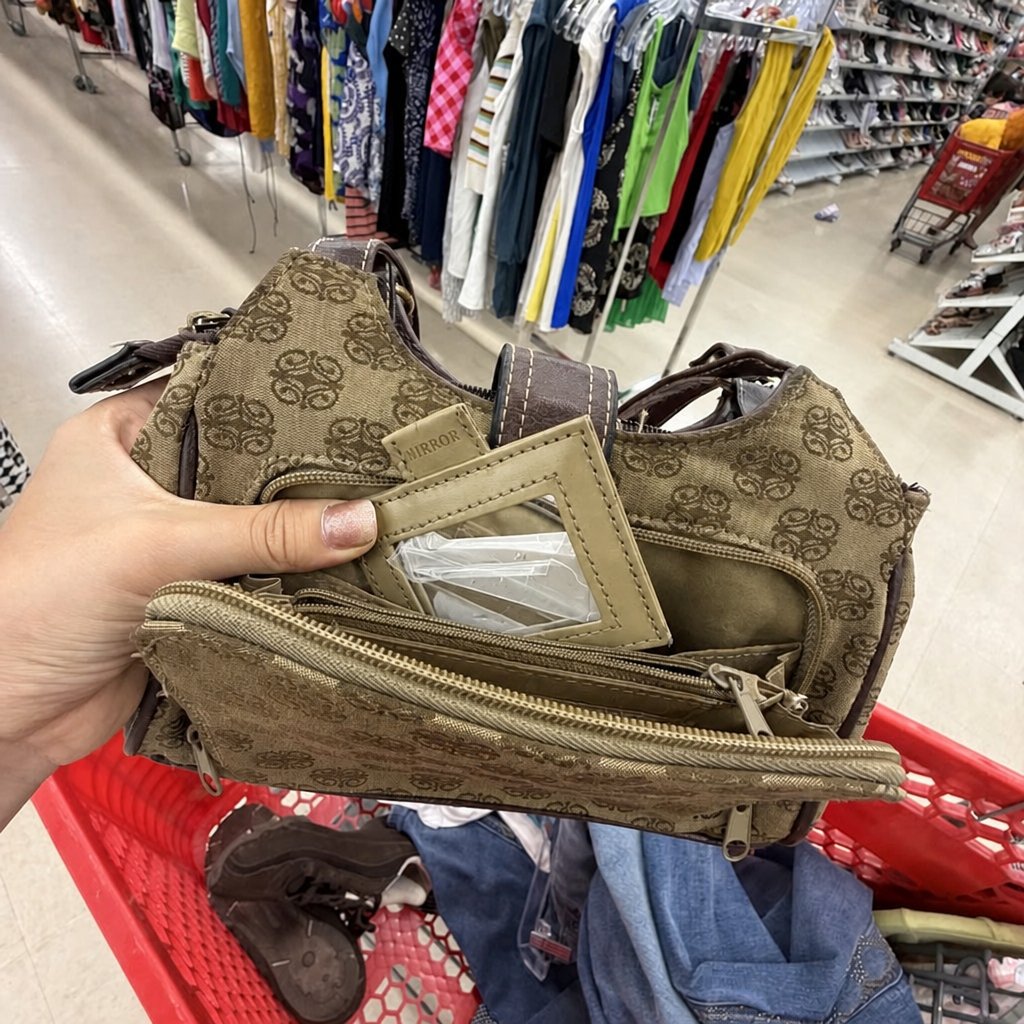
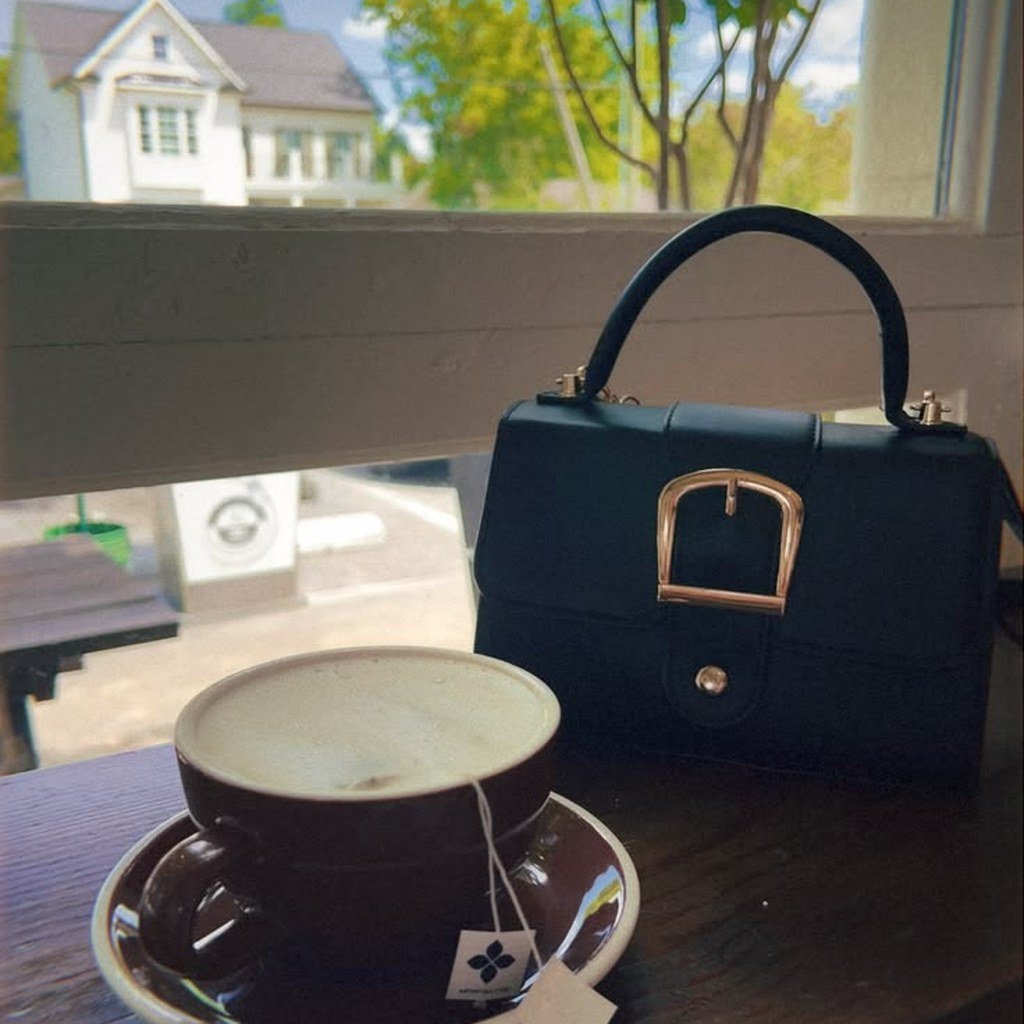

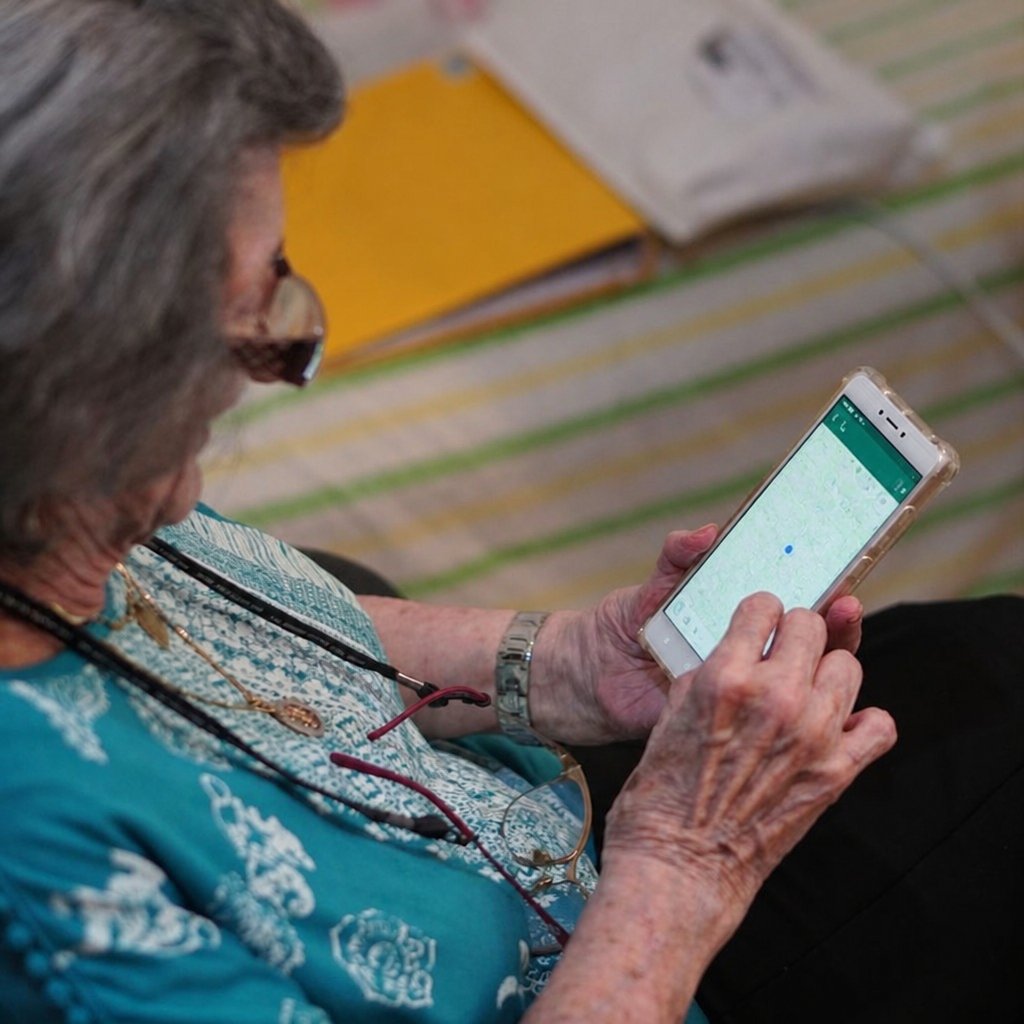
Long body (1014 words), as it runs live
I track my mom's purse now, and it started with a phone call that left me a little shaken.
She rang me one afternoon, calmer than I had heard her in years, to say she had already found the purse she had just lost.
It had not taken an afternoon of searching or a round of cancelled cards, because it had taken about a minute, and she had done it on her own.
I thought she was confused at first, and then she told me she had simply looked at her phone.
Let me back up, because my mother has misplaced her purse for as long as I can remember, under car seats, on shop counters, and at the bottom of a trolley, dozens of times a year.
We have retraced her steps for her, called the shops for her, and replaced the cards for her more times than I can count.
In all those years she had never once found a lost purse quickly and alone, right up until this.
Here is what happened, because a month earlier I had slipped a thin card in with the cards in her purse and told her to leave it there and forget about it.
On the first day she asked me what the little card with the light was, and I told her what it was and that she never had to think about it.
A week later she messaged to say the purse had gone missing at a café and she had it back before her tea went cold.
Then came the call, where she wanted to know where to get more, because she had decided to buy them for her friends.
I said I would send her the link, but first I wanted to understand why it had worked when nothing else ever did.
That was the moment it clicked for me, because if my mother, who trusts no gadget, was buying them after one lucky afternoon, maybe I should put one in every bag in the family.
So I did, and something quietly changed, because the frantic calls simply stopped coming.
My father found his wallet in the coat he swore he never wore, my wife found her keys under the car seat in seconds, and my sister found her bag at a restaurant before she had driven home.
They started calling for a different reason now, which was to thank me, and one of them asked a little sheepishly whether I had more.
Then my aunt, who loses more than anyone, pulled me aside at a family lunch and said she needed one for her handbag.
She loses it two or three times a week and had spent years feeling foolish about it, and for once, last Tuesday, she had found it in under a minute.
She ordered one before the plates were even cleared.
So let me tell you what this little card actually does, because a lost purse costs you the afternoon far more than it costs you the purse.
The cards, the keys and the ID inside it are the real loss, and when it goes missing no one around you can tell you where it is.
Family can only help you search and the shops can only check the lost property, so none of them can point to the spot, which is why a lost purse so often eats a whole day.
Reminders and lectures do not fix any of that, and they only ever make the person carrying it feel worse about herself.
To find it fast the purse itself has to be able to answer, and the card sends out a small signal that any passing phone quietly relays back to you with the last place it was seen.
It needs no wiring or monthly plan and charges only a few times a year, and it does not track my mother, because I would never want it to.
It tracks the purse, so that when the purse wanders off one of us can see where it went instead of hoping it turns up.
The card is called Stayfound, and it was made for exactly this, for the people who lose things and the people who love them.
Most trackers are a loud puck on a keyring, the last thing you want rattling in a handbag, while this one is the size of a bank card and ends up carried instead of left in a drawer.
I now keep one in my mother's purse, one in my wife's handbag, and one in the bag my father forgets on every trip, and every person I have handed one to has come back to thank me.
Here is what I wish someone had told me years ago, which is that the careful one in a family is usually the one who puts protection where the people they love would never think to.
My mother was never going to buy this for herself, because she did not think she needed it, the same way she never thought she would lose the purse this time either.
A Stayfound card is the only thing I have found that she will actually carry and that actually brings the purse back, and the cards come three to a pack now, one for every bag that keeps going missing.
They back it with a lifetime warranty and a hundred days to send it back, and based on the frantic calls that simply stopped coming, I do not think you will ever be sending it back.
My mother figured out something most people learn the hard way, and now you know it too, so what you do with it from here is entirely up to you.
If there is someone in your life who is always losing something, here is everything it is and where to get it:
1.8mm thin, works with Apple Find My, no wiring, no subscription, 8 months per charge, over 1,000,000 sold.
💳 Buy 2, Get 1 Free: 3 cards for $78, free shipping, lifetime warranty, 100-day returns. Shop at stayfoundco.com
P5 · SLIMMER THAN / AN AIRTAG / IN MY WALLET
The AirTag does not fit a wallet (candidate B objection beat): the card does the same job on the same network in a shape that fits
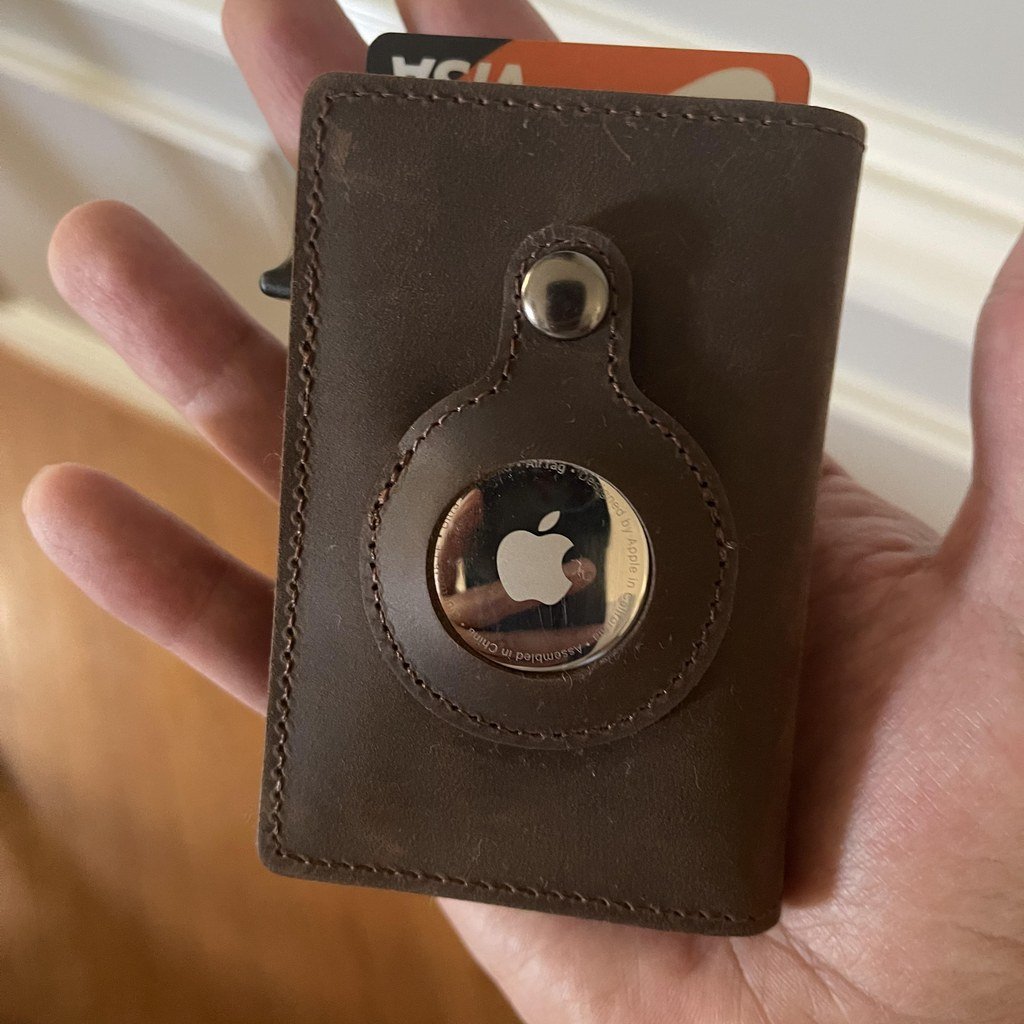
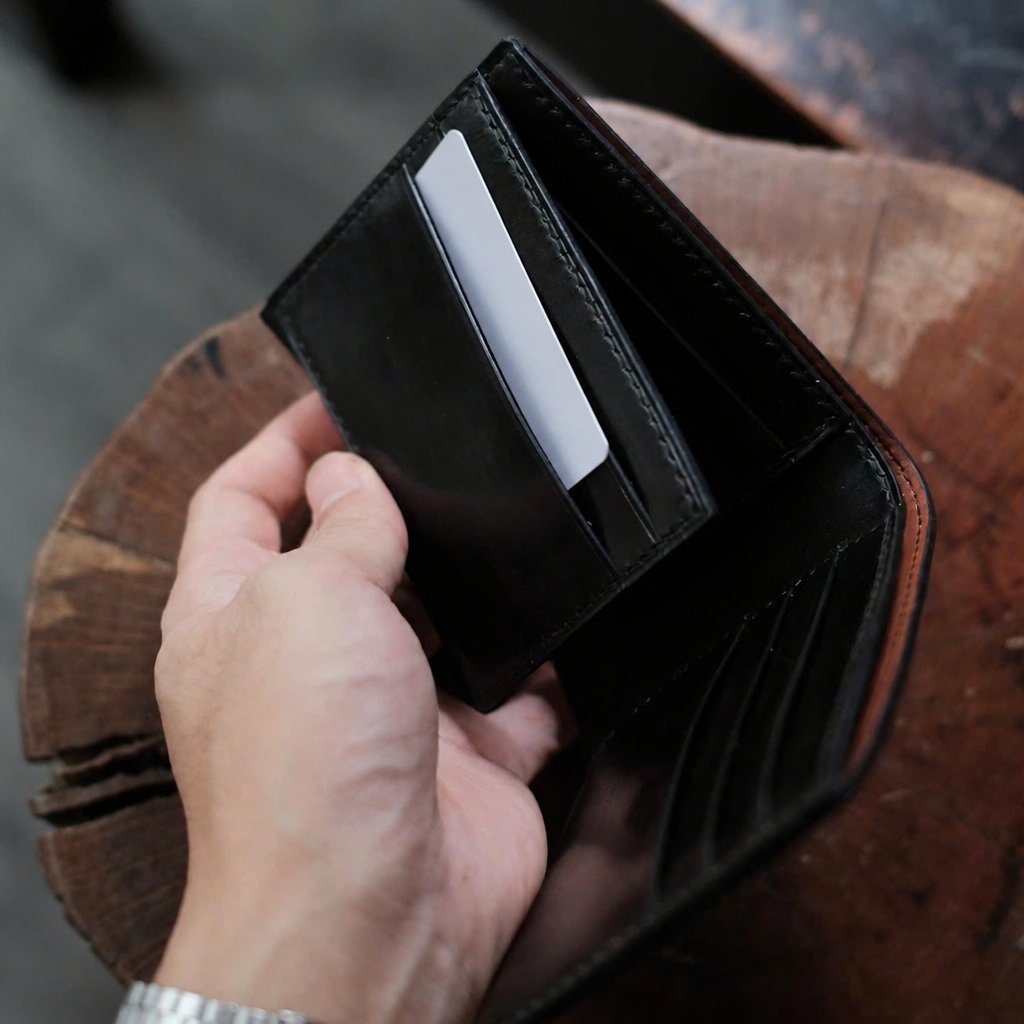
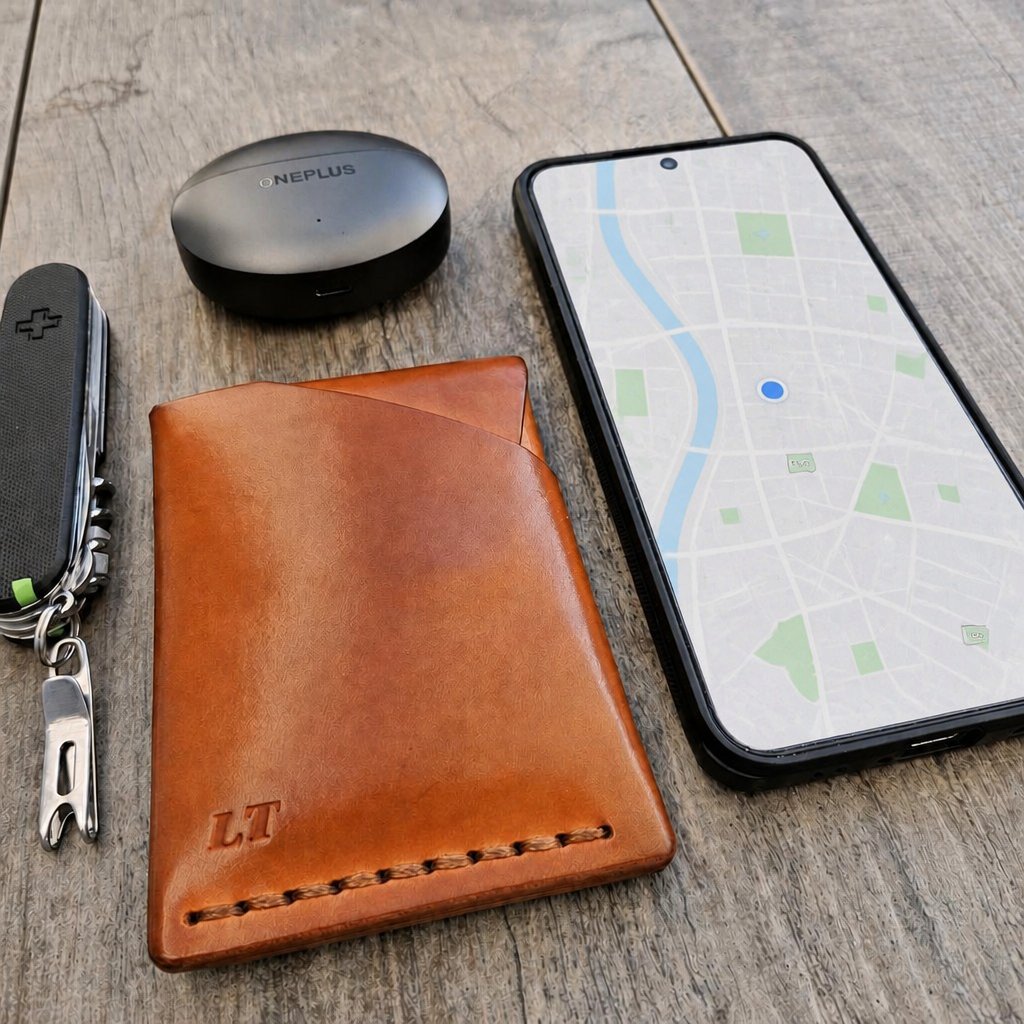
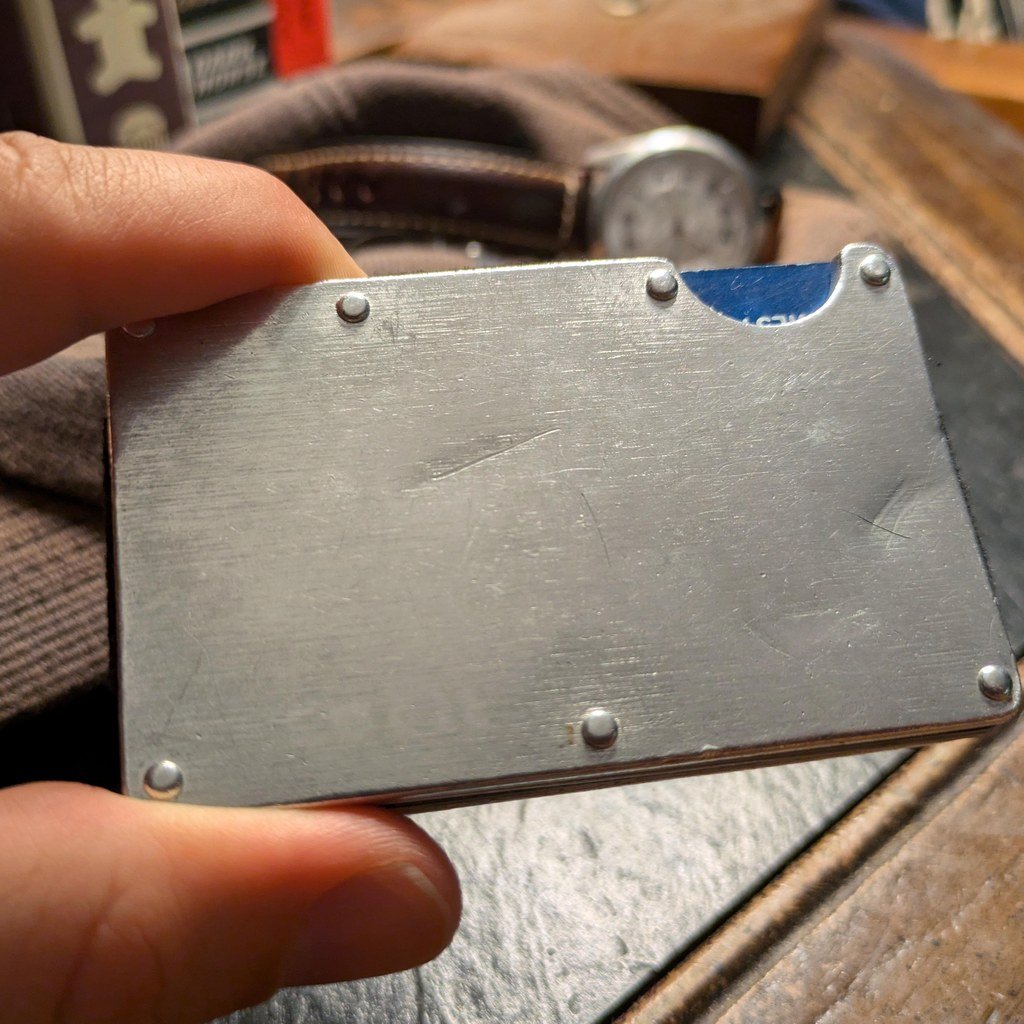
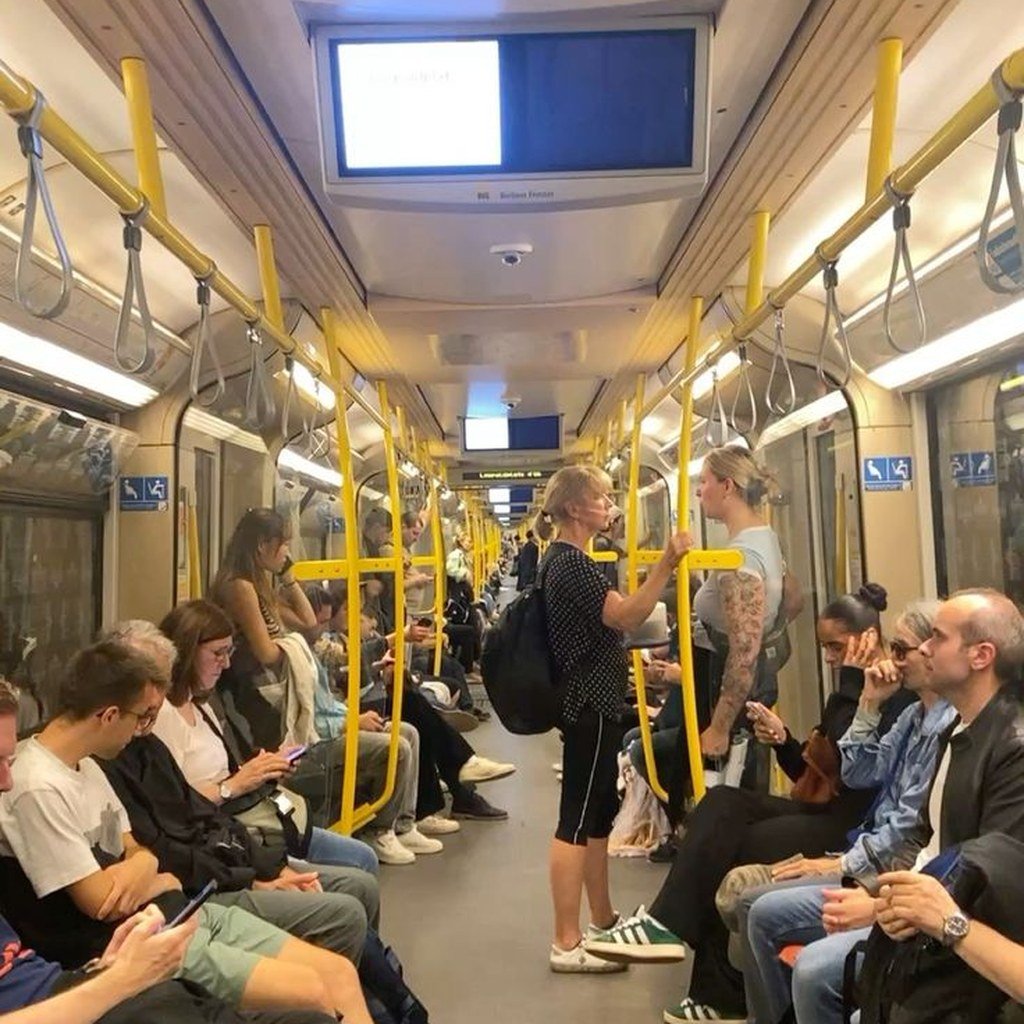
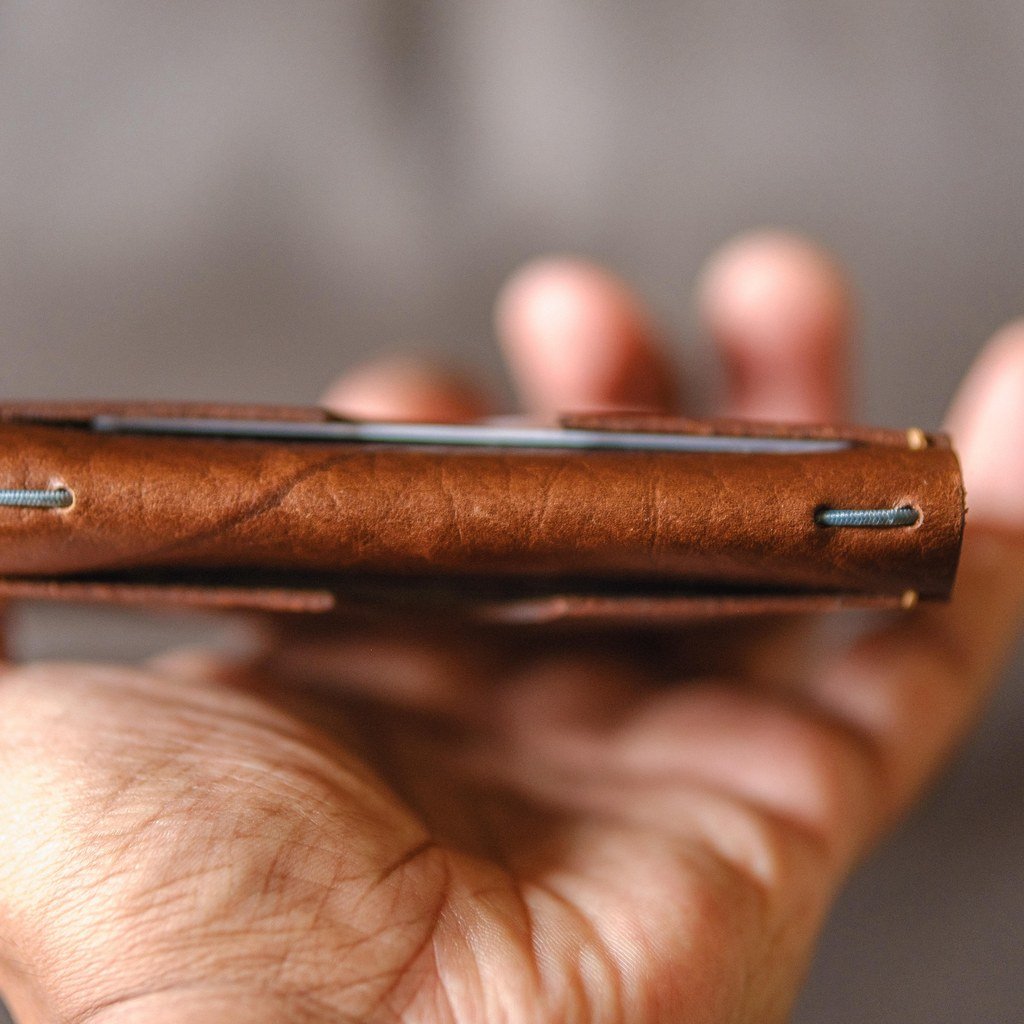
Long body (1139 words), as it runs live
No one selling you a tracker ever admits this, because the thing most people drop into their wallet was never shaped for a wallet at all.
There are two kinds of people who try to keep track of a wallet, and the difference between them comes down to shape rather than luck.
The first carry a round tag that bulges, gets noticed and gets thrown away, while the second carry a flat card that sits unseen among their other cards.
The one that stays with you through the day is the one built for the space it lives in.
Today I am going to say the thing the people who sell round trackers would quietly rather I did not.
A wallet is the one place a round tracker was never built to go, and it matters far more than anyone tells you.
After carrying a round tag in my wallet for a year and fighting it every single day.
After watching it bulge, curl the leather and refuse to sit flat no matter how I packed it.
After a pickpocket lifted my wallet and threw the obvious lump straight into a bin a street away.
I finally went looking for something built for the shape a wallet actually is.
If you have ever pushed a round tracker into a wallet and felt it fight back against the leather.
Or watched a hard little puck warp the one pocket you carry every day.
Then the next few minutes are worth your time, because the shape is the whole story.
It was an ordinary morning, and my wallet simply would not close, because the round tracker inside had pushed the whole thing into a wedge.
The tracker worked fine, and it was simply the wrong shape for the job.
A round tag was made to hang off a set of keys or clip into a bag, and in a wallet it was always going to be a lump that did not belong.
The leather had started to curl and the seams had started to give, and there were two problems I only worked out later.
The first was that the lump announced itself to anyone who went through the wallet, because a hard round disc is the first thing a thief's fingers find and the first thing they throw away.
The second was the battery, because a coin cell gives you no warning at all, working one week and dead the next.
You tend to learn which on the very day you need it, which is the worst possible day to discover your tracker died quietly in a drawer.
I had tried everything to make the puck behave, with a slimmer case, a different slot, a rubber sleeve and even carrying it in a coat instead.
None of it changed the simple fact that it was the wrong shape, and the alternatives were no better for a wallet, each for its own reason.
A keyring tag is fine on keys and hopeless in a card slot, and a chunky fob is too thick to carry every day.
A phone case tracker stays with the phone rather than the wallet that goes missing, and none of these were ever built to disappear among your cards.
That morning something clicked for me, and I was done forcing a round tracker into a space it never fit.
So I went looking for one built for a wallet from the start, and I read how the flat cards worked and why the people who switched never went back.
I stopped asking which tracker was loudest and started asking which one would actually stay in the wallet, and the answer was almost too obvious.
A wallet holds cards, so the tracker should simply be a card, matching the slot it lives in and nothing more clever than that.
The card I found is 1.8mm thin, the same size and feel as the bank cards sitting next to it, and it slides into a slot and disappears.
Nothing bulges and nothing curls, and because it looks like one more card it does not stand out the way a hard disc does.
It does the same simple job I wanted all along, sending a small signal that passing phones relay back to you with the last place it was seen.
You open your phone and see where your wallet is, and it works on the same Apple network my phone already uses.
The difference I care about is that this one actually lives in a wallet, day after day, instead of fighting it the whole time.
The battery was the other thing that won me over, because instead of a coin cell that dies without warning, the card recharges on a small pad and runs for months.
I top it up a few times a year and forget about it, and it is ready on the day it matters, which is the only day a tracker really has to be ready.
So I stopped fighting my wallet, and I put one in my wallet, one in my passport holder and one in the bag I take to work.
The card is called Stayfound, and a friend who had given up on trackers entirely tried mine and ordered three the same night.
He could finally carry one and not feel it there, and he was not the only one who switched after years of a bulging pocket.
A commuter tired of sitting on a lump, a traveller who had one tossed by a thief and a father who kept forgetting to charge the old one all said the same thing.
Every one of them could finally carry a tracker and not feel it, and none of them misses the puck now.
Here is what I wish someone had told me years ago, which is that a wallet is flat, so the thing that lives in it should be flat too.
A Stayfound card is the only one I have found that was shaped for the one place it lives, and the cards come three to a pack now, one for every wallet you carry.
They back it with a lifetime warranty and a hundred days to send it back, and based on the fact that I can finally forget it is there, I do not think you will ever be sending it back.
If you have ever pulled a round tracker out of your wallet because it would never lie flat, then this is the shape you were after all along, so here is everything it is and where to get it:
1.8mm thin, works with Apple Find My, no wiring, no subscription, 8 months per charge, over 1,000,000 sold.
💳 Buy 2, Get 1 Free: 3 cards for $78, free shipping, lifetime warranty, 100-day returns. Shop at stayfoundco.com
P6 · CHEAP INSURANCE / FOR EVERY / WALLET AND BAG
Insurance against a rare loss (§3): cheap cover you hope you never use, one card per thing protected
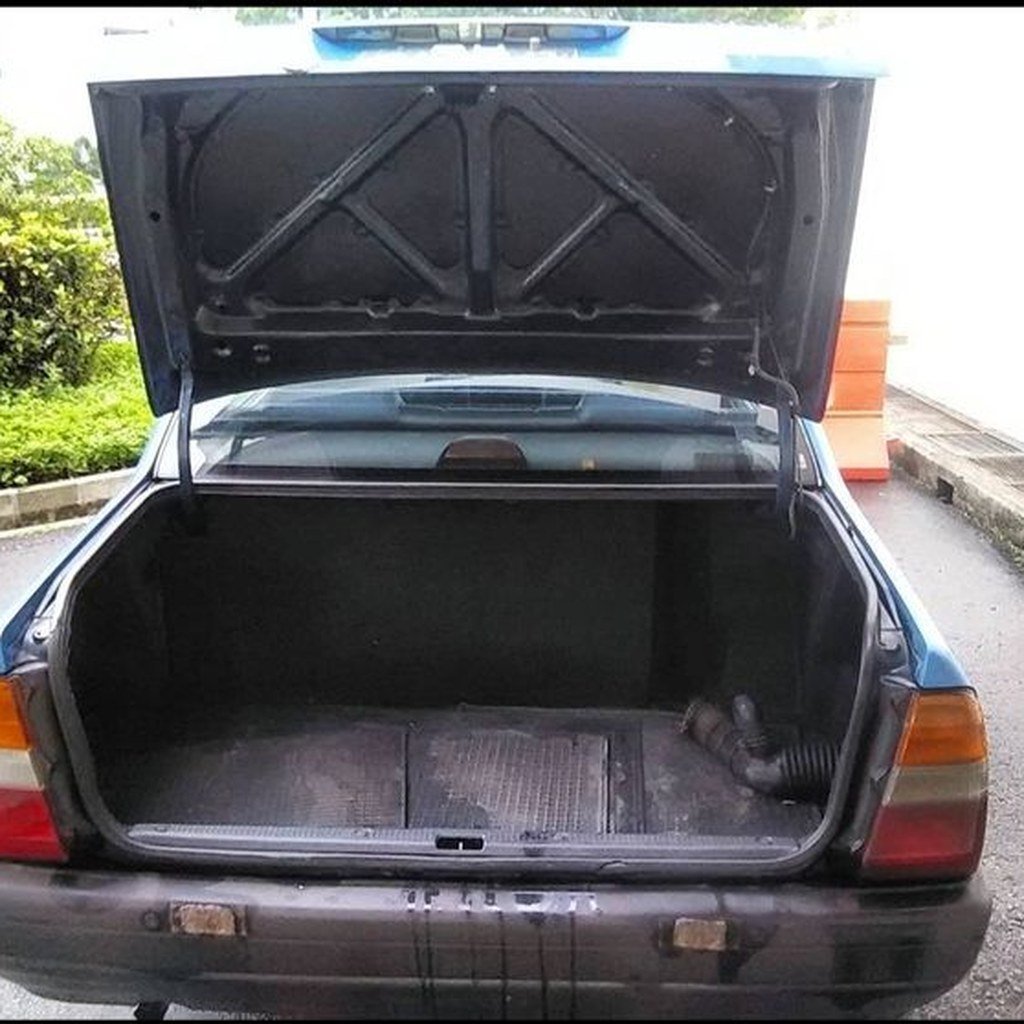
Long body (1148 words), as it runs live
No one who sells you insurance ever mentions the cheapest policy you will ever own, and it is the one that decides whether your things ever come back at all.
There are two kinds of people who lose something they love, and the difference between them is not the size of their cover.
The first are paid out for the money and still never see the thing again, while the second can see where it went within the first hour.
The only gap between them is whether anyone knew where it was while there was still time to act.
Today I want to tell you the thing no insurer and no claims line will ever bring up.
There is no money in it for them, because this policy pays nothing out, and it simply makes a loss far less likely to be permanent.
After watching a friend lose a bag that held things no payout could ever replace.
After years of paying for cover I quietly hoped I would never have to use.
After seeing how little a cheque helps on the day the thing itself is actually gone.
I finally understood what the cheapest cover you can buy really is.
If you own anything you would hate to lose, a wallet, a bag, a passport or a car.
Or if you have ever felt that sick drop when a pocket or a boot turns up empty.
Then the next few minutes are worth your time, because this is the part nobody plans for.
A woman I work with came back from a weekend away looking shaken, and it taught me more than any sales page ever could.
Her handbag had been taken from the boot of a taxi while she stood there paying the driver.
The bag itself was nothing, but what was inside it was everything to her.
Her cards, her keys, her passport and the only photos of a trip with her late father were in it, still on an old phone she had never backed up.
She did everything right, because she called the bank, filed a report and rang the taxi company within the hour.
Every one of them was kind, and every one of them told her the same thing in slightly different words.
They could record what had happened and help her replace what they could, and not one of them could tell her where the bag actually was.
She sat with a cold cup of coffee and simply stared at the wall, and there was nothing any of them could do.
It was as helpless as it sounds, a careful woman robbed of things that no insurer could ever put a price on.
She had done all the sensible things over the years, because she bought travel insurance, kept a note of her card numbers and photocopied her passport.
None of it could point to where the bag had gone, and the people she called were no better placed, through no fault of their own.
The bank offered new cards within the week, and that was the whole of its power to help her.
The insurer offered a claim form, a receipt and a cheque some weeks later, once the paperwork was in order.
The police gave her a crime number for the insurer and were honest about the odds, but none of them could see where the bag was and none was going to look.
That week something clicked for me, and I stopped trusting a cheque to fix a loss that a cheque cannot touch.
So I started paying attention to what actually brings things back, and I read the stories of people who lost something and still got it home.
I stopped thinking of this as a gadget and started thinking of it as cover, and the logic was so simple it almost annoyed me.
When a wallet or a bag goes missing, one fact decides whether it ever comes back, which is whether anyone knows where it is in the first few hours.
By default no one does, and the loss quietly becomes permanent, and it is rarely because you were careless.
It is because nothing you carried could show you the spot, and a cheque only pays you later, long after the thing itself could have been found.
That is why the money never felt like enough to my friend, and the real cover is simply something inside the thing that can show you where it is.
It is a flat card the size of a bank card that slips in with your cards or down into the lining of a bag.
It sends a small signal that passing phones relay back to you with the last place it was seen, and it needs no wiring or monthly fee and charges a few times a year.
You never think about it, in the same way you never think about an insurance policy, right up until the day something goes missing and the spot is sitting on your phone.
That is why I did not buy one but bought a few, and put one in every wallet, every handbag and every case we check at the airport.
The card is called Stayfound, and the reason I call it insurance is the price against what it guards, whether that is a wallet full of cards, a passport before a flight or a bag with a week of work inside it.
You hope you never need to open that map, and you are simply glad it is there if you do, which is all insurance has ever really been.
My colleague bought a pack the week she got back, and she keeps one in the new bag she carries now, and she is not the only one I have watched change their mind after a loss.
A cousin robbed abroad, a neighbour whose car went in the night and a friend who left a bag on a train all said the same thing, that they wished they had spent the small amount a year sooner.
I cannot promise you a number, and I would not trust one that was handed to me, but the pattern is plain, because the ones who got something back were the ones who could see where it went.
There was not room here for all of it, so the details sit just below, and if there is anything you own that you would hate to lose, this is the cheapest way I know to make sure you are the one who can see where it went.
Here is everything it is and where to get it:
1.8mm thin, works with Apple Find My, no wiring, no subscription, 8 months per charge, over 1,000,000 sold.
💳 Buy 2, Get 1 Free: 3 cards for $78, free shipping, lifetime warranty, 100-day returns. Shop at stayfoundco.com
P7 · SAW WHERE / MY CAR WENT / AT 3AM
Car theft (m12): a stolen car moves within hours and the owner can see where it went (location only, no recovery promise)
Long body (1214 words), as it runs live
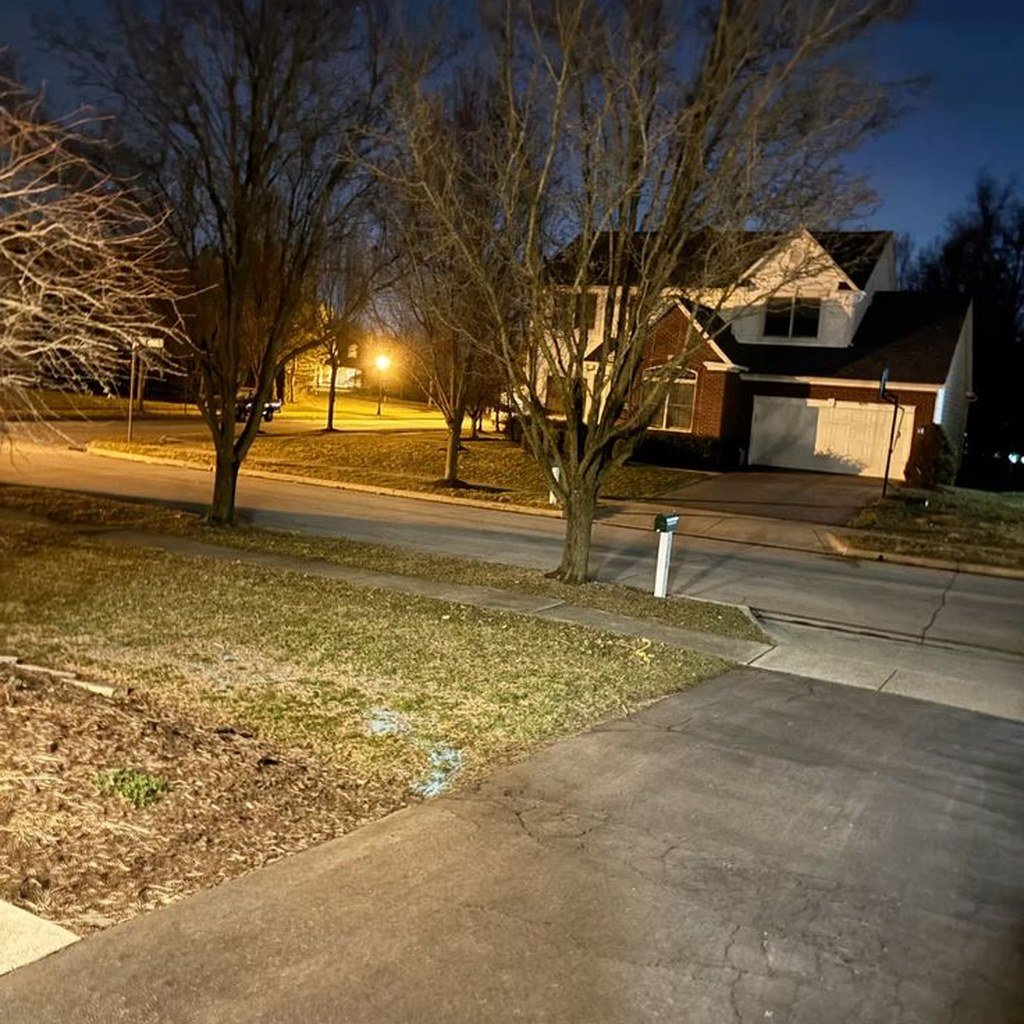
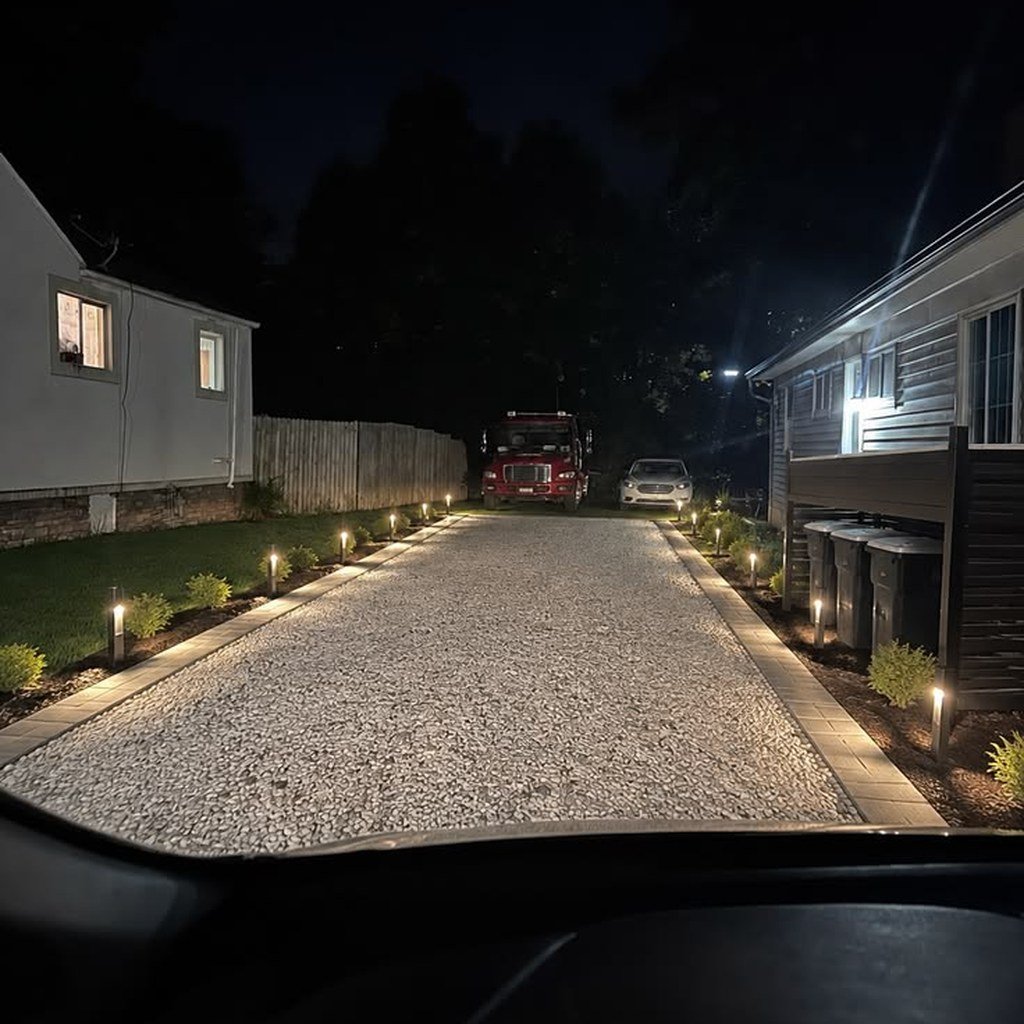
At three in the morning the driveway was empty, and I could still see on my phone exactly where my car had gone, all because of a flat card in the glove box.
When my son first gave it to me, it looked like nothing, a thin piece of plastic the size of a credit card with one small light on the edge.
It was the sort of thing you leave in a glove box and forget, and I almost did not bother putting it there at all.
What stopped me was his note on the dash, a single line telling me to leave the card in the car just in case, and he clearly meant it.
He said it was a tracking card with a small pad to charge it on, and the note made me drop it in the glove box where he had suggested.
Let me back up, because I have babied every car I have owned, with alarms, a wheel lock, a camera on the drive and once an immobiliser a garage wired in.
In all those years I had never once seen a stolen car again, right up until this winter.
I forgot the card was in the glove box for months, and then, in the small hours, the dog barking woke me.
I looked out at a bare patch of gravel where the car had been, and I am fifty-five and had been robbed on the drive once before.
That time cost me nothing worse than a smashed window and a long wait, but this time the whole car was simply gone.
It was the kind of loss where you stand in the cold and stare at the gravel, so I called the police and they were straight with me.
They said a car taken in the night is usually moved or stripped within a day or two, and that nationally they recover fewer than one stolen vehicle in eight.
They took the details, gave me a crime number for the insurer, and told me to wait, which was as far as their job would take them.
Standing in the cold, I remembered the card in the glove box and my son's note telling me to leave it there just in case.
I opened the app the card paired to, and what came up stopped me cold on the doorstep, a map with a single dot five miles away on an industrial lot.
Beside the map was a thread of thousands of owners sharing the same story, and one explanation kept repeating about why most stolen cars are written off the moment the crime number is issued.
The same idea came up again and again from people with nothing else in common, one who watched a classic sit at a yard and one who saw a van parked two towns over.
I was sceptical and half sure it could not be that simple, but the stories were far too specific to wave away.
One man wrote that his restored classic was taken from a lock-up, that he watched it sit at a yard for two days, and that he handed the police the exact address.
Another had his van stolen overnight, saw it parked two towns over, and passed the location straight to the officers.
I read for the better part of an hour, including a nurse whose car vanished from a hospital lot and who was showing an officer where it had stopped by morning.
A retired mechanic who had lost two cars said this card did more than every claim form he had filed, and a young couple whose first car was taken gave the police the address themselves.
I looked at the charging pad on the kitchen counter and finally understood the note, because my son had known exactly what he was giving me.
So let me tell you what the thread explained, because after a car is stolen everyone you call is set up to process the loss rather than to go and find it.
The police take a report and the insurer sends a claim form, and between the two of them the car is out there while nobody is actually looking for it.
That is where the loss really comes from, because a crime number and a claim form do not find the car and only pay out on it later.
To get it back you need the one thing none of them have, which is something left in the car that can report where it is.
The card sends a small signal that any passing phone picks up and relays back with the last place it was seen, so the location shows up on your own screen.
It is not a live tracker wired into the car, and in a quiet spot with no phones nearby the last position can be an hour old, but on a street where people pass it kept showing me where the car had been.
It needs no wiring and none of the monthly fees a subscription tracker box charges, which is why I had chosen it over paying thirty dollars a month forever for something I hoped never to use.
I did not drive out there myself, and instead I called the police back and gave them the address the card was pointing to.
The car was not back on the drive yet, but for the first time that night somebody knew where it was, and that somebody was me.
The card my son gave me is called Stayfound, built for the exact problem the thread described, because most trackers either go quiet in a drawer or shout from a keyring.
This one sits quietly in the glove box and shows you where the car is, which is why it works on a night the police cannot help, and the card never promised to go and bring the car back.
I bought one for my daughter, who parks on the street in the city, and she says it is the only thing that ever gave her a location instead of a shrug.
Since then I have pressed one on a dozen drivers I know and every one has thanked me, which is what I wish someone had told me years ago.
A stolen car is rarely gone the moment it leaves the drive, and more often it is sitting somewhere no one has looked, so a Stayfound card is the only thing I have found that lets you see it, and it comes three to a pack now.
I was glad I had kept mine the night the dog woke me, and they back it with a lifetime warranty and a hundred days to send it back if it never helps you once.
Based on what I saw on that map, and five quiet words from my son, I do not think you will ever be sending it back.
If you park anywhere a car can be taken, here is everything it is and where to get it:
1.8mm thin, works with Apple Find My, no wiring, no subscription, 8 months per charge, over 1,000,000 sold.
💳 Buy 2, Get 1 Free: 3 cards for $78, free shipping, lifetime warranty, 100-day returns. Shop at stayfoundco.com
P8 · CAUGHT MY / PASSPORT / AT THE HOTEL
Passport left at the hotel (m13): the passport goes missing at the worst moment and the alert catches it
Long body (1152 words), as it runs live
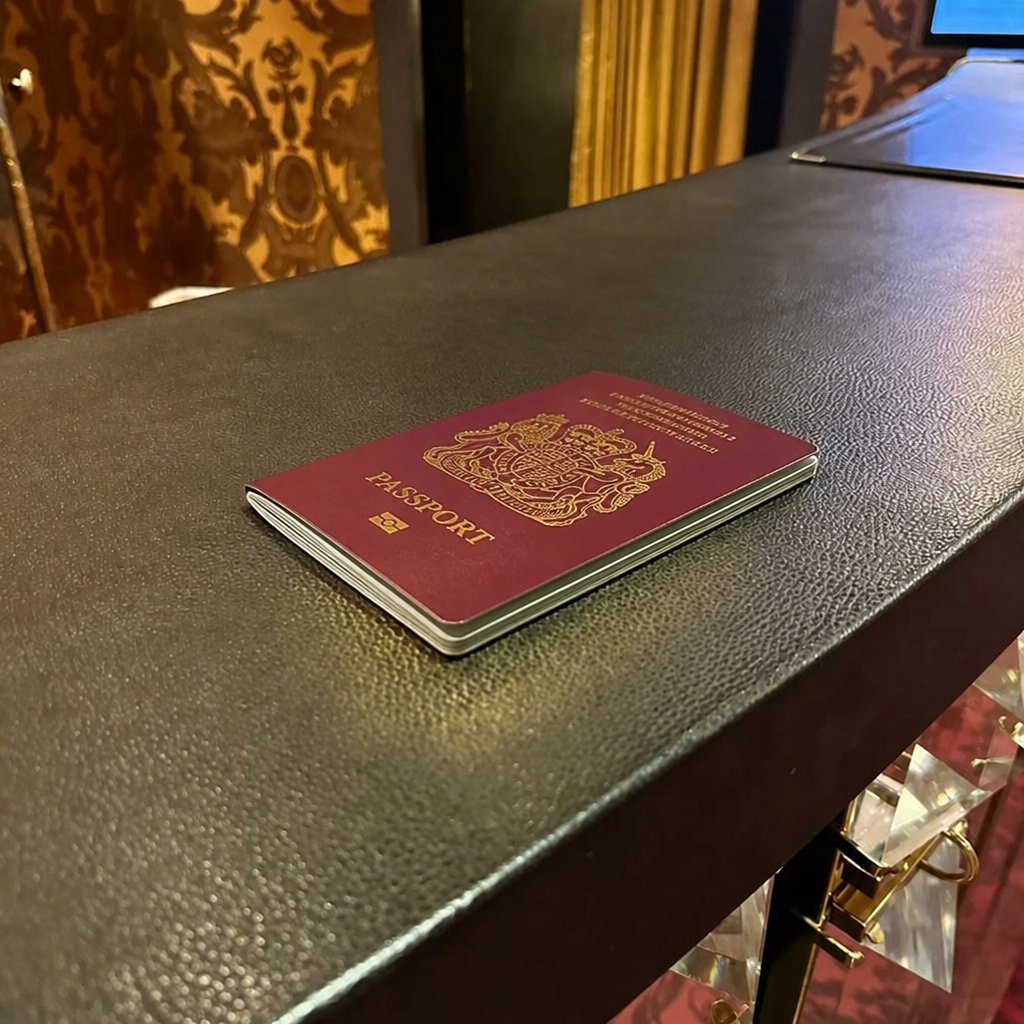
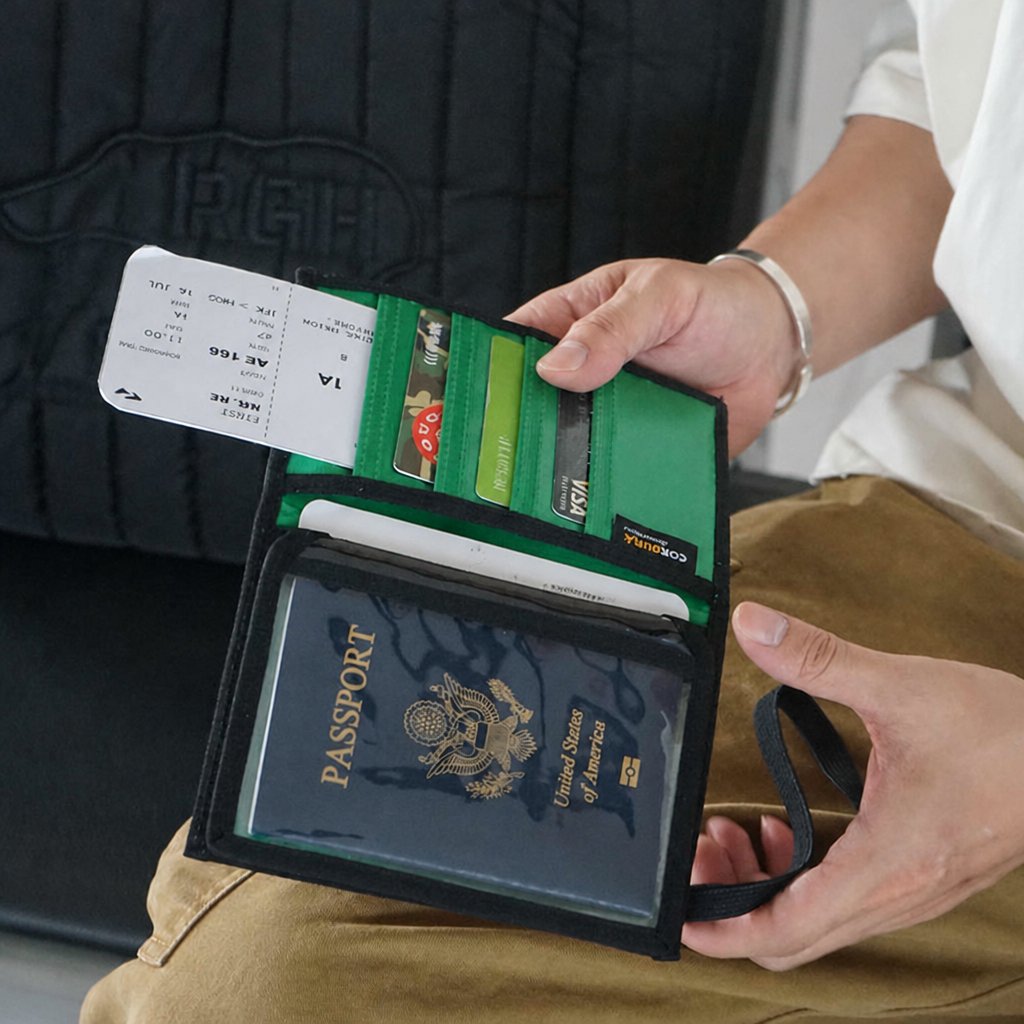
It caught my passport at the hotel desk before I had even reached the elevator, all because of a flat card tucked into the passport holder.
When my wife first gave it to me, it looked like nothing, a thin piece of plastic the size of a credit card with one small light on the edge.
It was the sort of thing you slip into a travel wallet and forget, and I almost left it out when I packed.
What stopped me was her note in the holder, a single line telling me to keep the card with the passport because I lose things, and she was right.
She said it was a tracking card with a small pad to charge it on, and the note made me leave it tucked beside the passport where she had put it.
Let me back up, because I have travelled for years and lose something on every trip, from sunglasses to a charger to a room key and once a jacket two countries back.
A passport, though, was the one thing I had always somehow held on to, right up until this trip.
I forgot the card was in the holder for the whole week, and then, on the last morning, checkout was the usual scramble.
I settled the bill, signed for the minibar, gathered the family, and headed for the lift with a stack of bags, and I am fifty-one and travel with two restless kids.
The clerk had copied my passport and set it down on the desk, and in the rush my hands were full and my mind was already at the airport.
A passport goes missing at the worst possible moment, in the rush of a checkout or a boarding gate, and the rush at that desk was never really my fault.
What I did not do was pick the passport back up, and without it you cannot board a plane and you cannot get home.
As I walked toward the lift my phone buzzed, because the card had noticed the passport staying behind while I moved away from it.
The alert reached me before the doors had even opened, and it was the note about keeping the card with the passport that had just saved me.
I turned back toward the desk, and later that evening I read a thread of thousands of travellers sharing the same kind of story.
One explanation kept repeating about why a passport slips away in the one rushed second when your attention is somewhere else.
The same idea came up again and again from people with nothing else in common, one caught at a desk, one at a security tray, one in the back of a taxi.
I was sceptical that a card could notice before I did, but the stories were far too specific to wave away.
One man wrote that he left his passport in a cab, that his phone told him where it had stopped, and that he got it back before his flight.
A woman set hers down on a security tray and knew the moment it was no longer with her, long before she reached the gate.
I read for the better part of an hour, including a father who left a passport at a check-in desk and was turning back before the family had even noticed.
A grandmother who had once missed a flight over lost papers said this did more than any reminder ever had, and a couple who left a passport in a hotel safe got the alert in the lobby.
I looked at the charging pad in the room and finally understood the note, because my wife had known exactly what she was giving me.
So let me tell you what the thread explained, because a passport does not go missing because you are careless, and that one idea took the shame out of it for me.
It slips away in the small rushed second when a clerk sets it down and your hands are full, and no one notices for an hour.
That is where the trouble really comes from, because a spare photocopy and a careful habit only ever help once the passport is already gone.
To catch it in time you need the one thing a worried mind cannot give you, which is something in the holder that notices when you walk away.
The card sends a small signal your own phone can read, it shows you the last place the passport was, and when it is set up to it can warn you the moment you leave it behind.
All of it asks no checklist of you at all, with no wiring and nothing to plug in for months, because the passport simply speaks up before you reach the gate.
I still think about how that day would have gone without it, as a frantic call back to the hotel from the airport, a missed flight, and an emergency trip to an embassy in a country where I did not speak the language.
Instead the whole thing was a buzz in my pocket and a thirty-second walk back across a lobby, with my family none the wiser.
The card my wife gave me is called Stayfound, built for the exact problem the thread described, because most trackers are a loud puck or a round tag that will not sit in a travel wallet.
This one lies flat in the holder and warns you the moment the passport is left behind, which is why it works at the one moment that matters.
I bought one for my parents, who travel more than we do, and they say it is the only thing that ever caught a passport before it was truly lost.
Since then I have pressed one on a dozen people I travel with and every one has thanked me, which is what I wish someone had told me years ago.
A passport is rarely lost on purpose, and more often it is simply left behind in a hurry no one planned, so a Stayfound card is the only thing I have found that catches it in time, and it comes three to a pack now.
I was glad I had kept mine the morning of that scramble, and they back it with a lifetime warranty and a hundred days to send it back if it never helps you once.
Based on what that buzz saved me from, and four quiet words from my wife, I do not think you will ever be sending it back.
If you are travelling abroad any time soon, here is everything it is and where to get it:
1.8mm thin, works with Apple Find My, no wiring, no subscription, 8 months per charge, over 1,000,000 sold.
💳 Buy 2, Get 1 Free: 3 cards for $78, free shipping, lifetime warranty, 100-day returns. Shop at stayfoundco.com
P9 · NOBODY COULD / TELL ME WHERE / MY WALLET WAS
The domino / primary philosophy (§1, §5.7): everyone you call after a loss records it and replaces it, and none of them can tell you where it is

Long body (1315 words), as it runs live
Nobody who takes your call after a loss ever tells you this, and it is the one thing that decides whether you ever see your wallet again.
There are two kinds of people who lose a wallet on a trip, and the gap between them is not luck.
The first file a report, wait by the phone, and never see it again, while the second open an app and watch it move on a map.
The only thing that separates them is whether anyone could see where the wallet went in the first place.
Today I am going to say the plain thing that no airline desk, no bank and no police station will ever tell you.
It will not cost them a penny to admit, because it is simply not their job, and yet it changes everything for you.
After losing a wallet abroad and working my way down the whole list of numbers we all keep.
After a week of frozen cards, new PINs and a report that quietly went nowhere.
After finally admitting to myself that not one person I had spoken to was ever going to find it.
I understood something that changed how I carry a wallet for good.
If you have ever stood in a strange city patting an empty pocket and dialling the same numbers in turn.
Or if you have ever lost a bag or a car and felt the whole thing slip away one polite phone call at a time.
Then the next few minutes are worth your time, because this is the part no one ever explains.
It happened on the second afternoon of a trip I had saved a whole year for.
I reached for my wallet in a crowded square and my pocket was flat, and there was no misplacing it, because it was simply gone.
It was the kind of empty feeling that drops straight through your stomach, with my cards, my ID and the cash for the week all inside it.
That old helpless feeling came over me, the one where you know the thing you need is out there somewhere and you cannot point to it.
It was the kind of loss that follows you through dinner and keeps you awake at the hotel, and makes a whole trip feel like something you have to recover from.
I did everything you are supposed to do, because I called the bank, froze the cards, filed a report, asked the café, checked the tram office and phoned the hotel.
None of it got me a single step closer to the wallet, and the people in charge were no help at all, through no fault of their own.
The bank cancelled my cards and promised new ones in a week, and that was the whole of what it could do for me.
The police gave me a report, a case number and an honest shrug about the odds of ever seeing it again.
The hotel took my room number and said it would check the lost property, but no one could tell me where the wallet actually was.
No one was going to walk out the door and go and look, because looking was never any part of what they do.
That evening something finally clicked for me, and I decided I would not spend another trip trusting a system that was never built to find anything.
So I started reading everything I could find about why lost things come back for some people and never for others.
I stopped trusting the official answer and went looking for the real one, and what I found left me feeling both cheated and strangely relieved.
There is a simple truth underneath all of it that no one you call will ever say out loud.
Almost everyone you turn to after a loss is built to do one of two things, and neither of them is finding it.
They are there to record the loss or to replace it, and effort has nothing to do with it, and neither does how much they happen to care.
It comes down entirely to what the job was ever designed to do, which is why nothing I tried on that trip could ever have worked.
The real reason a lost wallet stays lost is that no one in the chain can see where it is, because the moment it leaves your pocket it is out there unseen.
The airline knows the last place a scanner read your tag, the police know a case number, and the bank knows how to cancel a card.
Not one of them knows the spot, so the report sits on a pile, the claim form waits for photos, and the thing itself keeps moving while everyone fills in paperwork.
They have understood this about their own systems for years, but there is no reason for any of them to point it out to you.
So the loss simply becomes permanent, quietly, while you freeze the cards, file the report, wait for the cheque and replace what you can.
On the next trip I carried one small thing, and the whole story went differently, because nothing was filed and forgotten and nothing was written off.
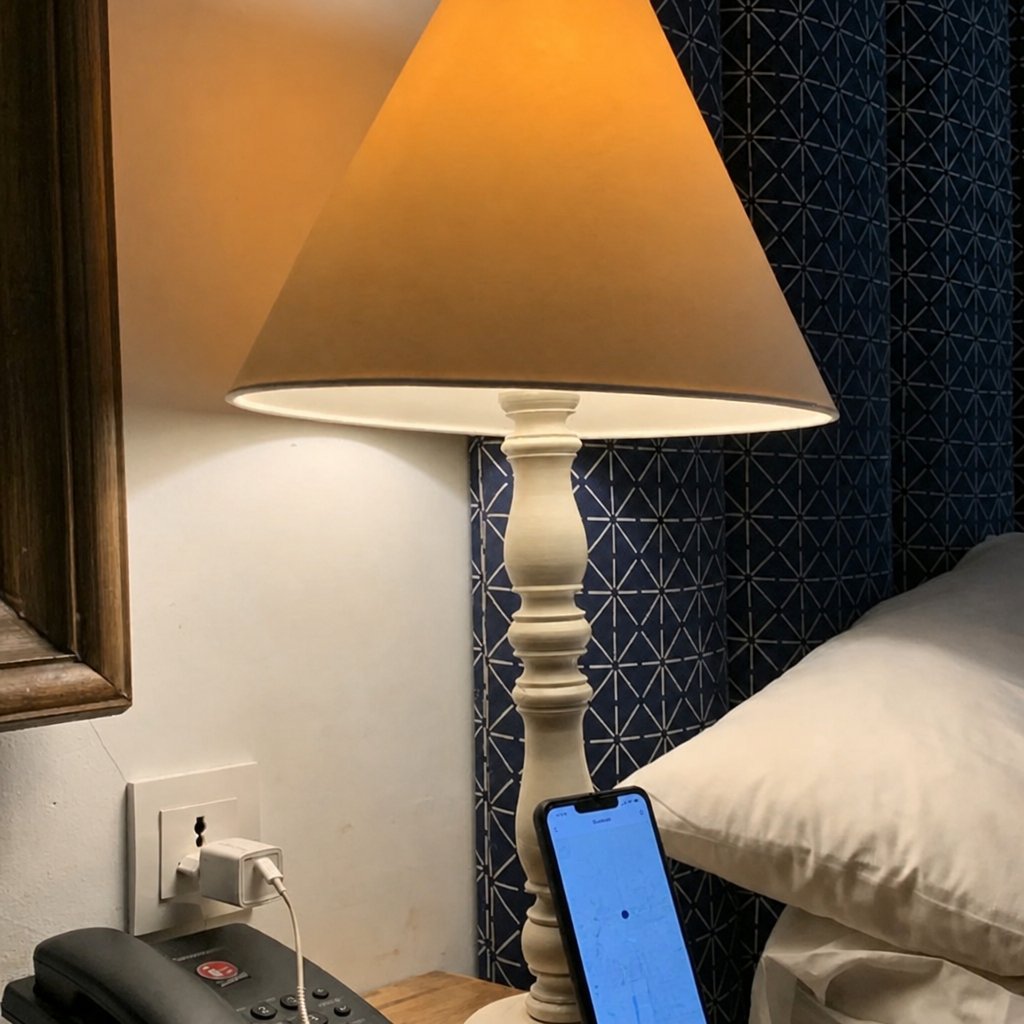
I had simply done the one thing none of those phone calls could do, which was see where the wallet was on my own screen.
And it was not only me, because a neighbour of mine, the most careful man I know, had his car taken from his drive one night.
He had barely slept for weeks worrying it would happen, and two garages had already told him it was long gone, yet an hour after it was taken he was looking at a map instead of pacing the kitchen.
Then I heard from others, a colleague whose bag was lifted at a station, a cousin who left a wallet in a cab, and a friend whose purse went at a market.
Every one of them found the same thing, because they could see where it went, they had a place to point to, and they were not left with nothing at all.
People wrote to me with the same story over and over, one told a bag was lost for good who watched it reach a depot two cities away, and one who pointed the police to the exact lot where a stolen car sat.
They were ordinary people, a roofer who needs his tools, a nurse who parks in a dark lot after a night shift, a student alone in a new city, and a retiree robbed once before.
I cannot give you a tidy percentage, and I would not trust one if I could, but the pattern was impossible to miss, because the people who got something back were the ones who could see where it had gone.
There was not room here to lay all of it out, so what I now carry is shown just below, along with why it works on a day a phone call cannot.
The card is called Stayfound, a flat card the size of a bank card that sends a small signal passing phones relay back to you with the last place it was seen.
It needs no wiring and no monthly plan and charges a few times a year, and the bank and the police are still worth calling, because they can record and replace, but somebody still has to be able to see where the thing went.
If you have ever made all those calls and still come away with nothing, here is everything it is and where to get it:
1.8mm thin, works with Apple Find My, no wiring, no subscription, 8 months per charge, over 1,000,000 sold.
💳 Buy 2, Get 1 Free: 3 cards for $78, free shipping, lifetime warranty, 100-day returns. Shop at stayfoundco.com
P10 · A TRACKER CARD / THAT WORKS / ON ANDROID
Works on Android, not just Apple (m10, candidate E objection door): the dual-variant answer for the mixed-phone household
Long body (898 words), as it runs live
A tracker card that works on Android, the same as it works on an iPhone, is all I ever wanted, and for years that simple thing did not exist.
A few months ago I almost threw a tracking card in a drawer, because the phone in my own pocket could not find it.
The card worked perfectly and the battery was full, because it had simply been built for a phone I did not own.
I had carried an Android for years, and the box had not thought that worth mentioning.
Let me back up, because I had wanted one of these cards for a long time, since I lose my wallet on trips and had read every story about people finding theirs on a map.
I had seen the ads, the reviews, and the photos of a dot on a screen, and all of it looked like exactly what I needed.
But I had never once been able to use one with my own phone, right up until this.
Here is what happened, because my wife carries an iPhone and I carry an Android, which made us exactly the household these cards quietly ignored.
The first card I tried paired only to her phone, so I could see her wallet on a map while my own stayed invisible to me.
A tracker you cannot open on your own screen does you no good at all, however clever it might be.
So I went looking again, and this time I checked the one thing that actually mattered, which was whether it would work with my phone rather than someone else's.
The card I found came in a version made for Android, and that was the moment it clicked for me.
The whole point of one of these cards is that the phone already in your pocket is the thing that finds your wallet, so a card built for a phone you do not even own is useless on the day it matters.
So I set mine up with my own phone, and something quietly changed, because we stopped borrowing each other's phones to find things.
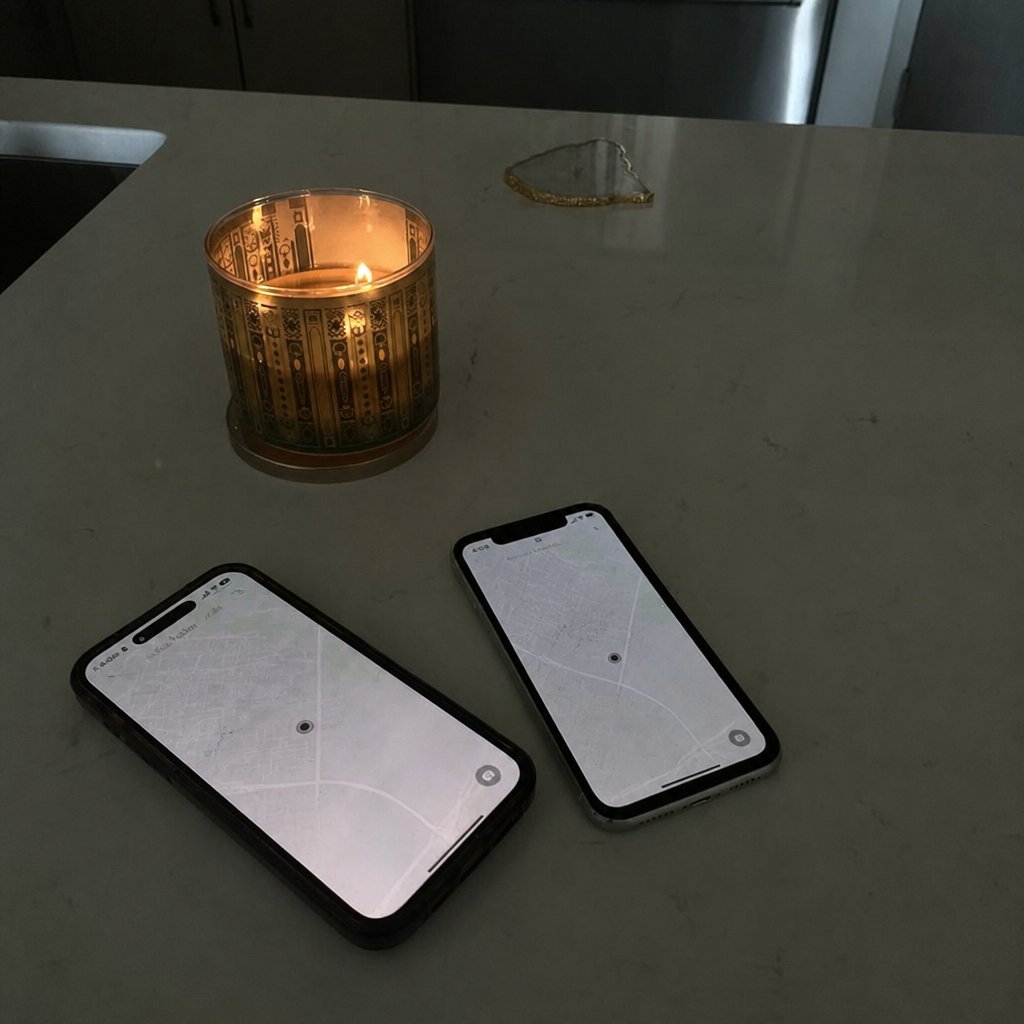
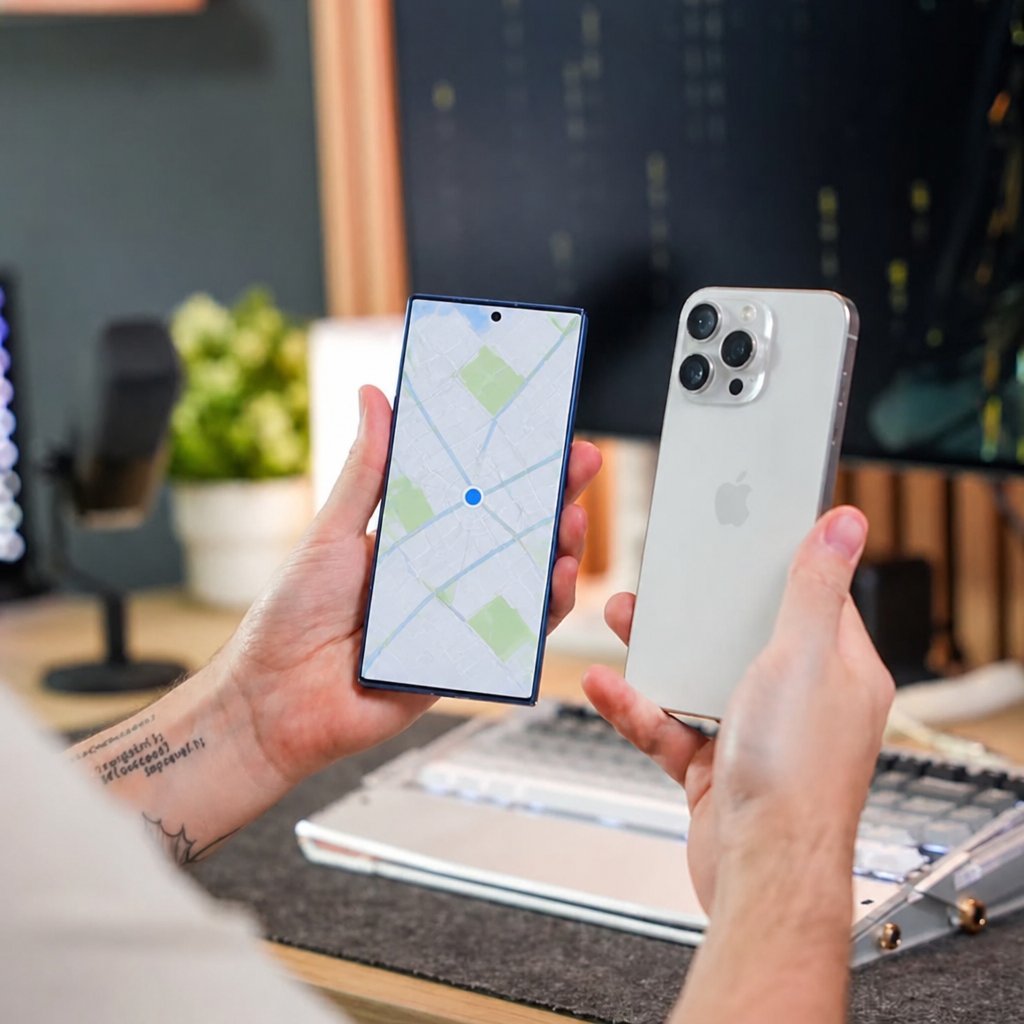
My wife's card talks to her iPhone through Apple's Find My, and my card talks to my phone through Google's Find Hub, because you choose the network when you set the card up.
Each of us can see our own things on the phone we already use, with one network per card chosen at the start and no shared login between us.
Then my brother, who had been burned the same way, asked where I had got mine.
He had bought an Apple-only card once and found out after he paid, and he carries an Android too, so this time he wanted the version that would actually work for him.
He ordered one that same night.
So let me tell you what the card itself actually does, because it is flat, the size of a bank card, and it slips in with your other cards.
It sends out a small signal that any passing phone on its network picks up and relays back to you with the last place it was seen.
It needs no wiring and no monthly plan, and it charges only a few times a year, so you forget it is even there.
On the day my wife left her purse in a restaurant she opened Find My and saw where it was, and on the day I left my bag on a train I opened Find Hub and saw the same.
Neither of us had to borrow the other's phone or learn a new app, which is all I ever wanted from one of these.
The card is called Stayfound, and it comes in an Apple version and an Android version so you pick the one that matches your phone.
Most trackers assume everyone owns the same phone, while this one asks first, which is why it finally worked for a house like mine.
We now have one in each of our wallets, one in the bag I travel with, and one in the suitcase we share, and every Android owner I have sent it to has come back to thank me.
Here is what I wish someone had told me years ago, which is that the phone you already carry should be the one that finds your things.
A Stayfound card is the only one I have found that works with mine instead of assuming, and the cards come three to a pack now, one for every wallet and bag in a mixed-phone house.
They back it with a lifetime warranty and a hundred days to send it back, and based on the day my own phone finally found my bag, I do not think you will ever be sending it back.
My brother and I figured out something most Android owners learn the hard way, and now you know it too, so what you do with it from here is entirely up to you.
If you carry an Android and have been left out until now, here is everything it is and where to get it:
1.8mm thin, works with Apple Find My or Google Find Hub, no wiring, no subscription, 8 months per charge, over 1,000,000 sold.
💳 Buy 2, Get 1 Free: 3 cards for $78, free shipping, lifetime warranty, 100-day returns. Shop at stayfoundco.com
P11 · I SAW / THE PORCH PIRATE / ON A MAP
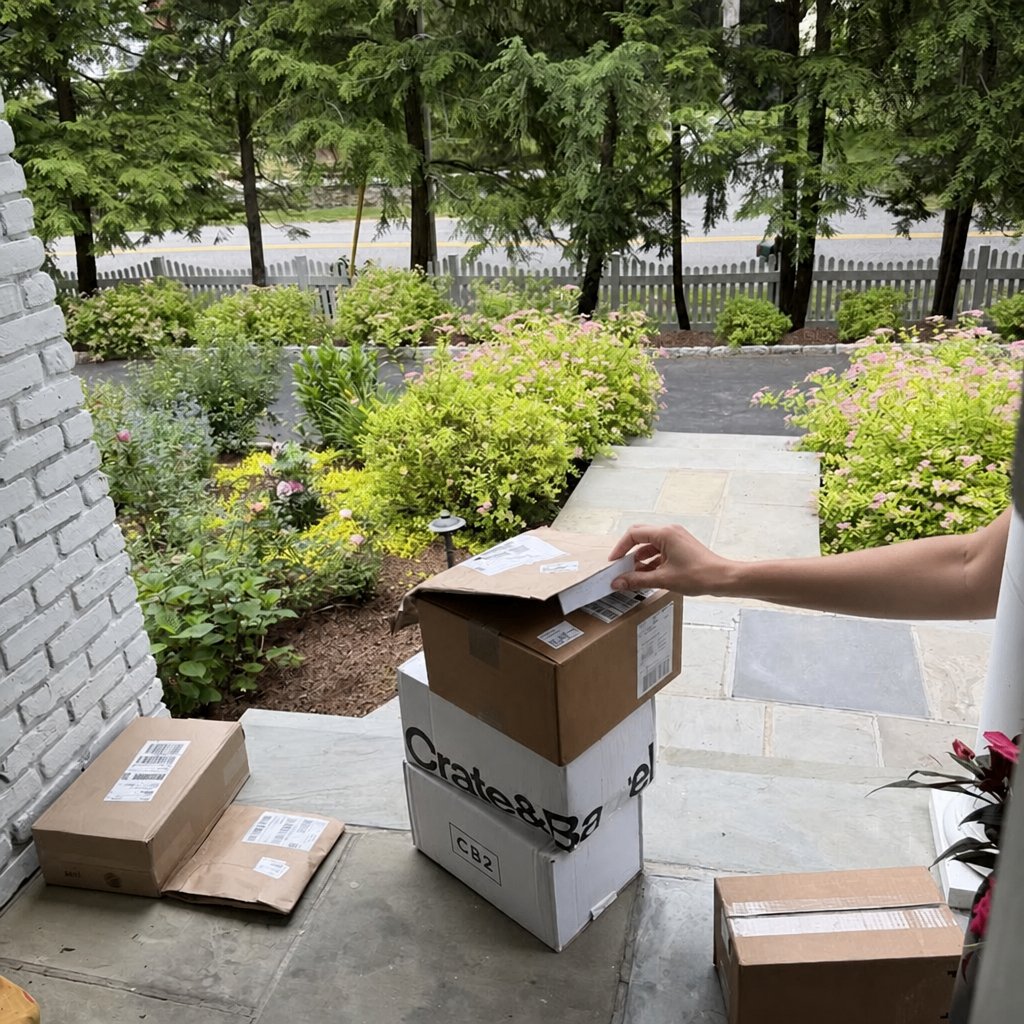
FAIRNESS / justice, porch-pirate door (m05 theft family): a package taken off the porch in daylight, and the relief of watching the thief's location on the map while he thinks he got away, then handing that spot to the police. The engine is the ultimatum-game pull to deny a cheater the win even once you are made whole (Kalp 2026-11-03); location only, the owner hands it to the police and never confronts or punishes the thief.
Long body (1381 words), as it runs live
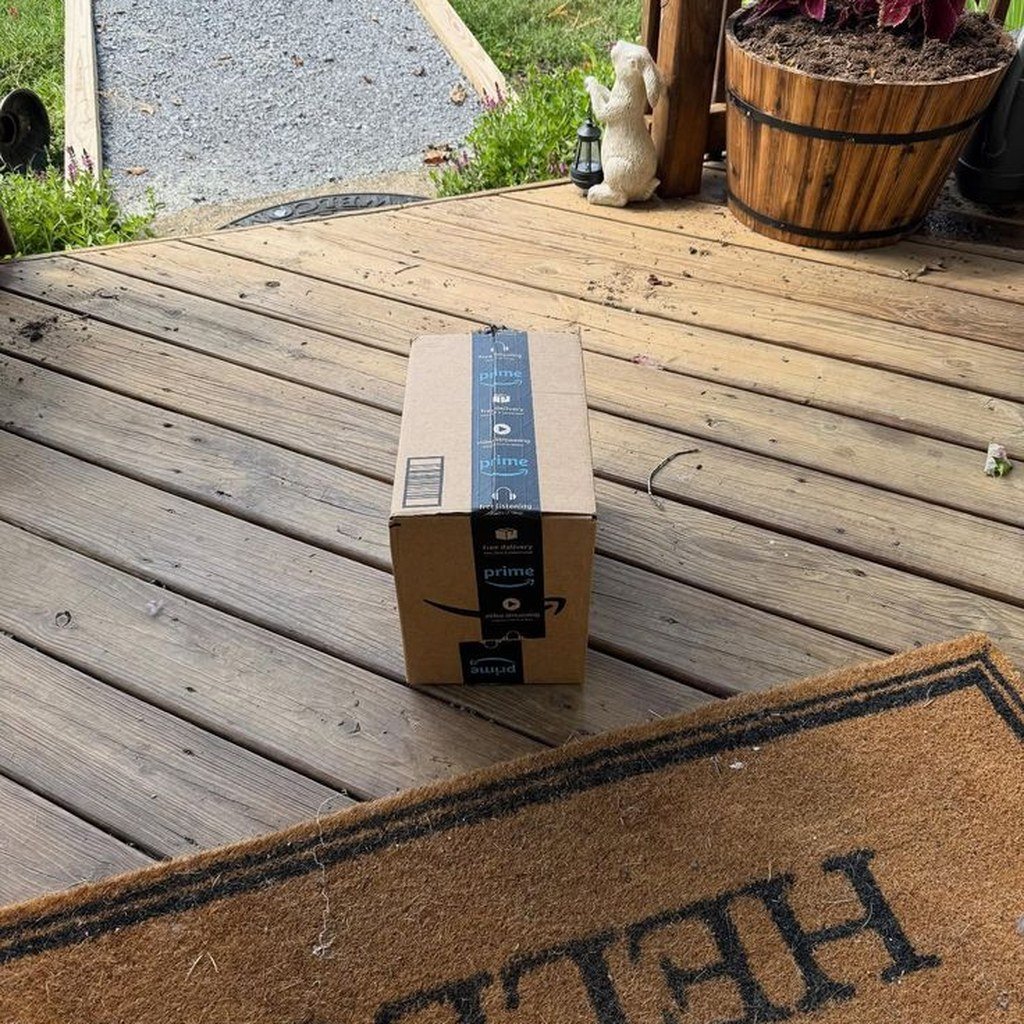
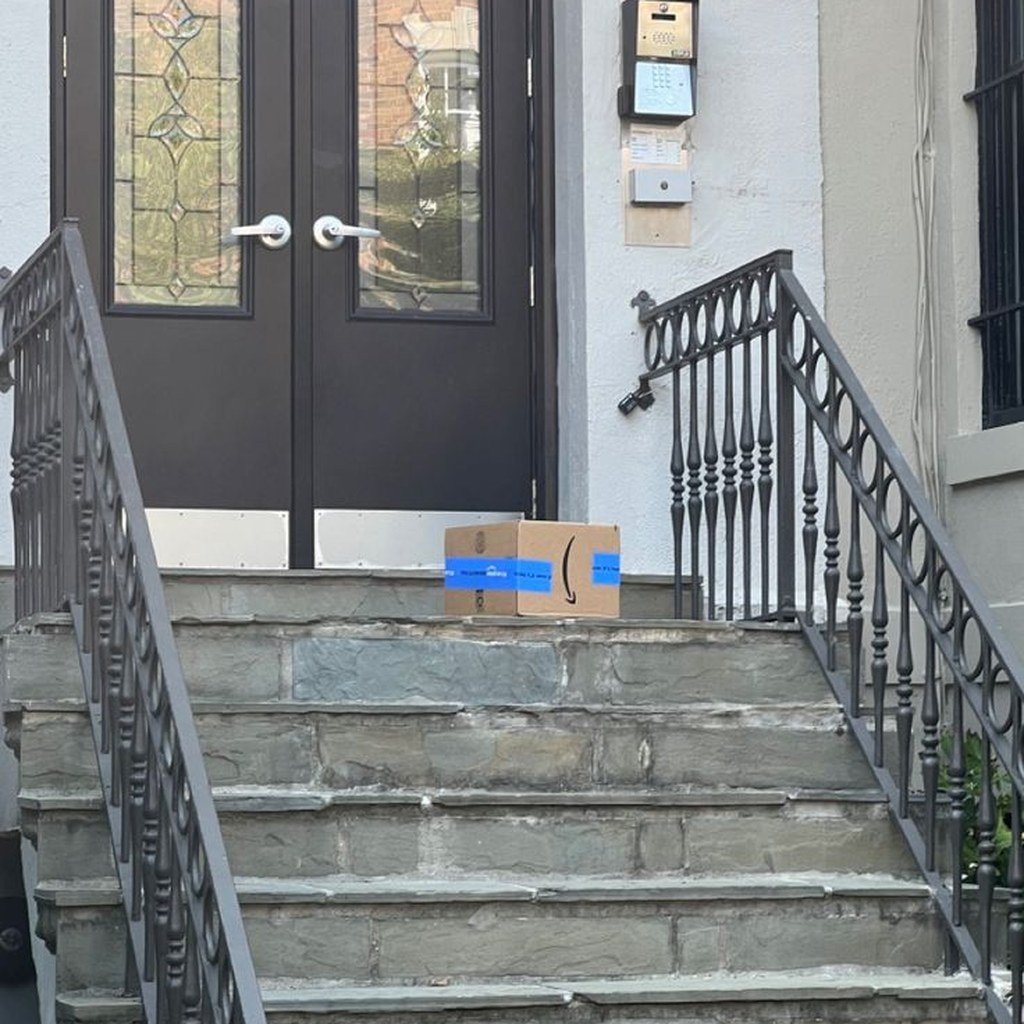
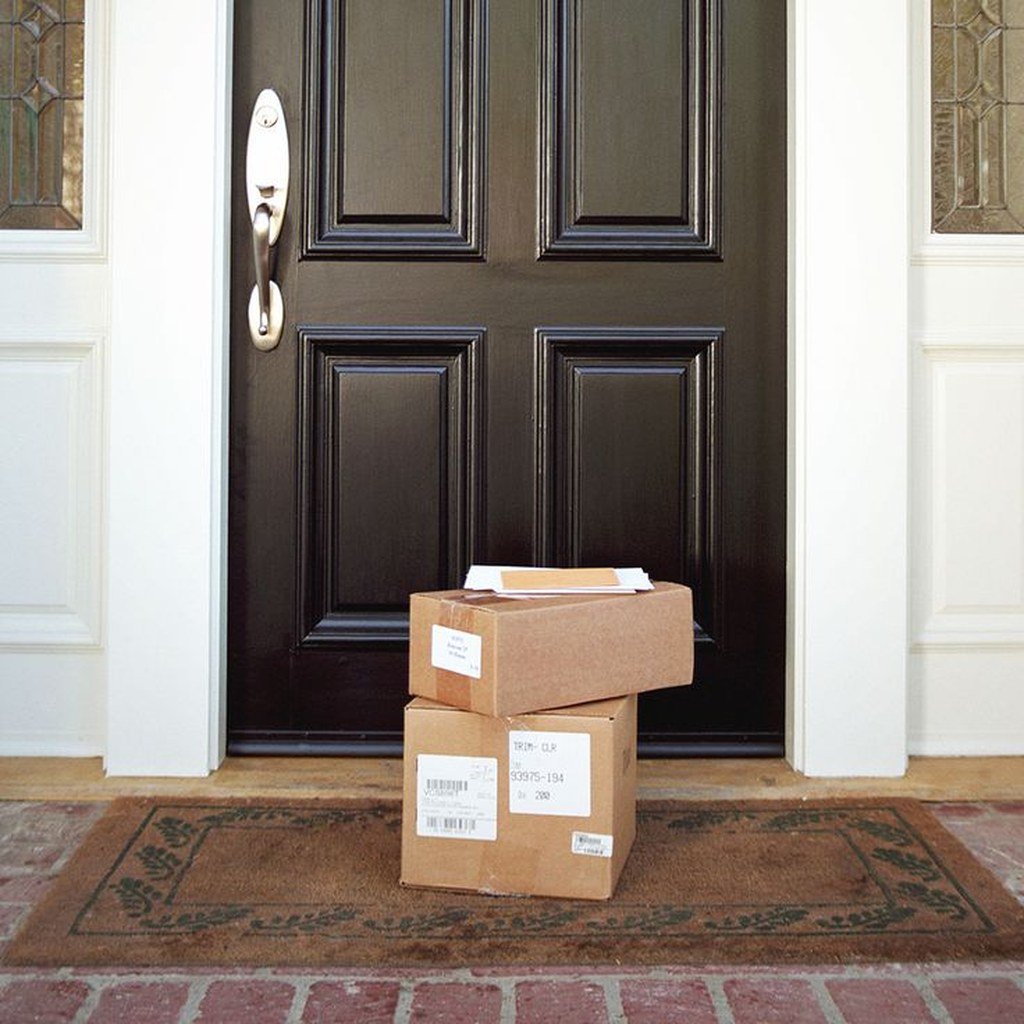
I saw the porch pirate who took my package, on a map, hours after he thought he had walked off clean, and I only could because of a flat card I had dropped in the box.
When my brother first gave me the card, it looked like nothing, a thin piece of plastic the size of a credit card with one small light on the edge.
It was the sort of thing you drop in a drawer and forget, and I almost handed it straight back to him.
What stopped me was his note on the box, a single line telling me to leave the card inside a package on the porch and promising I would thank him, underlined twice.
He said it was a tracking card with a small pad to charge it on, and the note made me keep it by the door instead of forgetting it in a drawer.
Let me back up, because packages have been going missing off my porch for two years, a pair of boots, my daughter's birthday present, a phone, and once a whole week of groceries.
In all that time I had never once seen the person who took them face anything at all for it, right up until this.
I forgot the card was by the door for a month, and then another box vanished off the step in the middle of a Tuesday afternoon.
The camera over the door caught a stranger walking up my path, lifting the box without breaking stride, and strolling off down the street, and I am forty-four and had watched this happen three times before.
Those other times cost me nothing worse than an afternoon on the phone, but this one was a gift I had saved for and could not replace by the weekend.
It was the kind of loss where you stand on your own step feeling robbed in your own home, so I reported it and called the store.
The store refunded me without an argument, and the officer who took the report was honest that the police clear only about one of these thefts in eight.
He wrote it down, gave me a reference number, and told me to fit a brighter light, and that was as far as it would ever go, so I finally did what my brother's note had told me to.
I charged the card overnight on its little pad, slid it down inside an ordinary box, taped it shut, and left it on the step like any other delivery.
Two days later the camera pinged, the same unhurried stranger came up the path, and the box was gone before the video had finished loading.
I opened the app the card paired to, and what came up stopped me where I stood, a map with a single dot moving along a street four blocks from my house.
I watched the dot stop at a row of houses, and for the first time in two years the person who took my things was not simply gone, because I could see exactly where he had gone.
Beside the map was a thread of thousands of people sharing the same story, and one explanation kept repeating about why most stolen packages are written off the moment the refund goes through.
The same idea came up again and again from people with nothing else in common, one who watched a box cross town and one who pointed an officer to the right door.
I was sceptical and half sure it could not be that simple, but the stories were far too specific to wave away.
One man wrote that his packages had vanished for a year, that he baited one with a card, and that he handed the police the address where it stopped.
A woman had a present taken off her step, saw it sitting at an apartment two streets over, and gave an officer the exact unit.
I read for the better part of an hour, including a nurse whose medicine was stolen off the porch and who was showing police the spot by that evening.
A retired teacher who had been hit all winter said this card did more than every report he had filed, and a young couple whose packages kept disappearing gave the police a street and a door.
I looked at the charging pad on my counter and finally understood the note, because my brother had known exactly what he was handing me.
So let me tell you what the thread explained, because after a package is taken everyone you contact is there to refund it or record it rather than to find it.
The store refunds you or sends another within days, the courier marks the package delivered and closes the ticket, and the police take a report so you have a number.
Not one of them is ever going to walk the street and find where the package went, because that was never any part of the job.
That is where the real sting comes from, because a refund and a reference number do not touch the person who took it and only square the money.
The store had already made me whole, so it was never really about the money, and it was that a stranger could take what was mine in the afternoon and simply walk off while everyone shrugged.
To change that you need the one thing none of them have, which is something inside the box that can report where it is.
The card sends a small signal that any passing phone picks up and relays back to you with the last place it was seen, so the location shows up on your own screen.
It is not a live tracker that chases a moving target, and it simply shows you the last spot a phone went past it, which is far more than a reference number ever gave me.
It needs no wiring and nothing to plug in for months, and because it sits buried in the box the person who grabbed it carried it off without ever knowing it was there.
I did not go anywhere near that address myself, and instead I took the map straight to the police and handed them the screen to decide what to do.
The package was not back in my hands, but for the first time in two years the person who took it was not invisible, and that was the whole point.
The card my brother gave me is called Stayfound, built for the exact problem the thread described, because most trackers are a loud puck or a round tag that rattles in a box.
A thief feels a hard lump and tosses it first, while this one lies flat at the bottom of the box and stays put, which is why it works when a report cannot.
I bought one for my sister, who has had three packages taken this year, and she says it is the only thing that ever gave her a location instead of a shrug.
Since then I have pressed one on a dozen neighbours on my street and every one has thanked me, which is what I wish someone had told me two years ago.
A stolen package is rarely gone the second it leaves the porch, and more often it is sitting somewhere no one has bothered to look, so a Stayfound card is the only thing I have found that lets you see it, and it comes three to a pack now.
I was glad I had taken my brother's advice the day that box walked off, and they back it with a lifetime warranty and a hundred days to send it back if it never helps you once.
Based on what I watched move across that map, and four quiet words from my brother, I do not think you will ever be sending it back.
If packages keep going missing from your porch, here is everything it is and where to get it:
1.8mm thin, works with Apple Find My, no wiring, no subscription, 8 months per charge, over 1,000,000 sold.
💳 Buy 2, Get 1 Free: 3 cards for $78, free shipping, lifetime warranty, 100-day returns. Shop at stayfoundco.com
control · FOUND MY / WALLET / IN SECONDS
Control: the direct result claim already in the bank


Long body (1190 words), as it runs live
I found my wallet in seconds, in a city where the police had already told me it was gone for good, and it came back only because of a flat card in my wallet.
When my son-in-law handed it to me, it looked like nothing, a thin piece of plastic the size of a credit card with one small light on the edge.
It was the sort of thing you slide in behind your bank cards and forget, and I almost left it out of my wallet for good.
What stopped me was his note, a single line telling me to keep the card in my wallet and promising that one day I would thank him, underlined twice.
He said it was a tracking card with a small pad to charge it on, and the note made me leave it exactly where he had put it.
Let me back up, because I have lost things my whole life, from keys down the back of the sofa to a phone left in a taxi and a camera bag left on a train.
In all of those years I had never once gotten a single thing back after it was truly gone, right up until this trip to Barcelona.
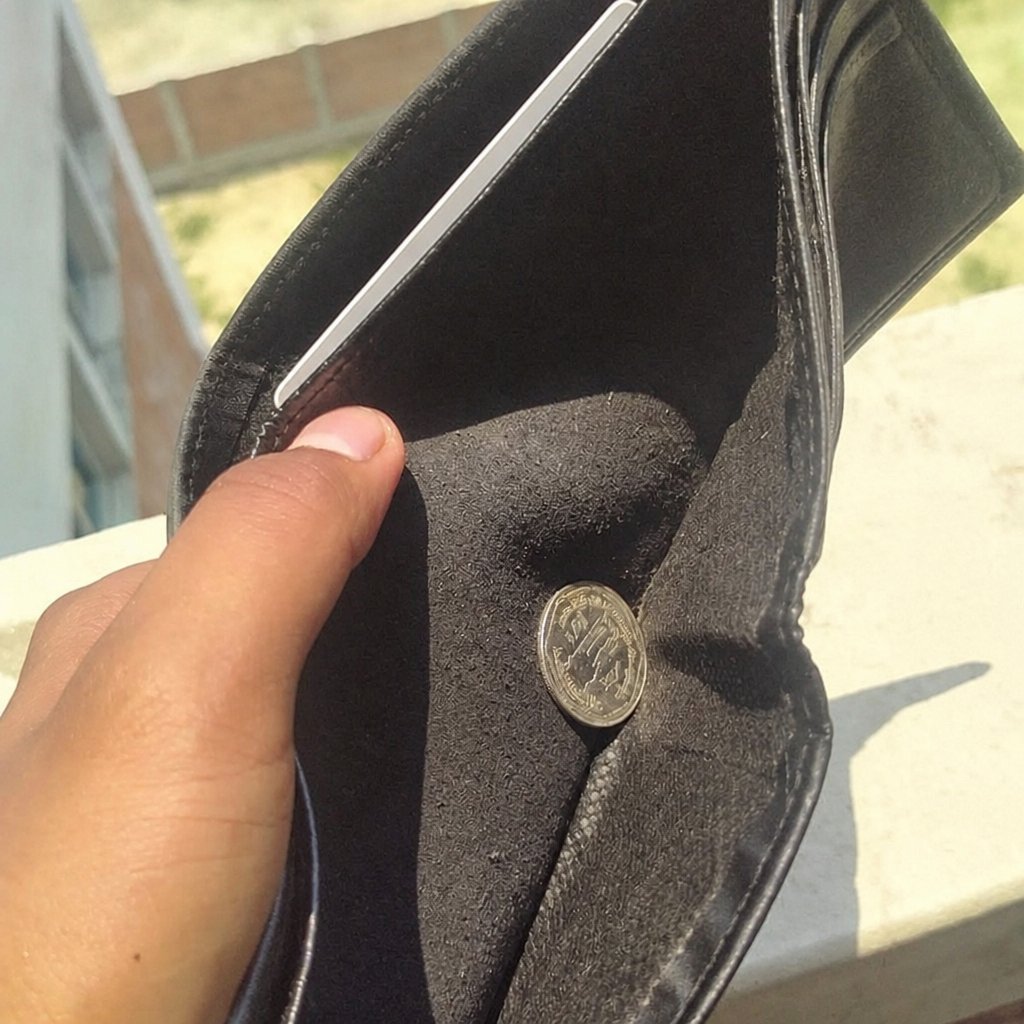
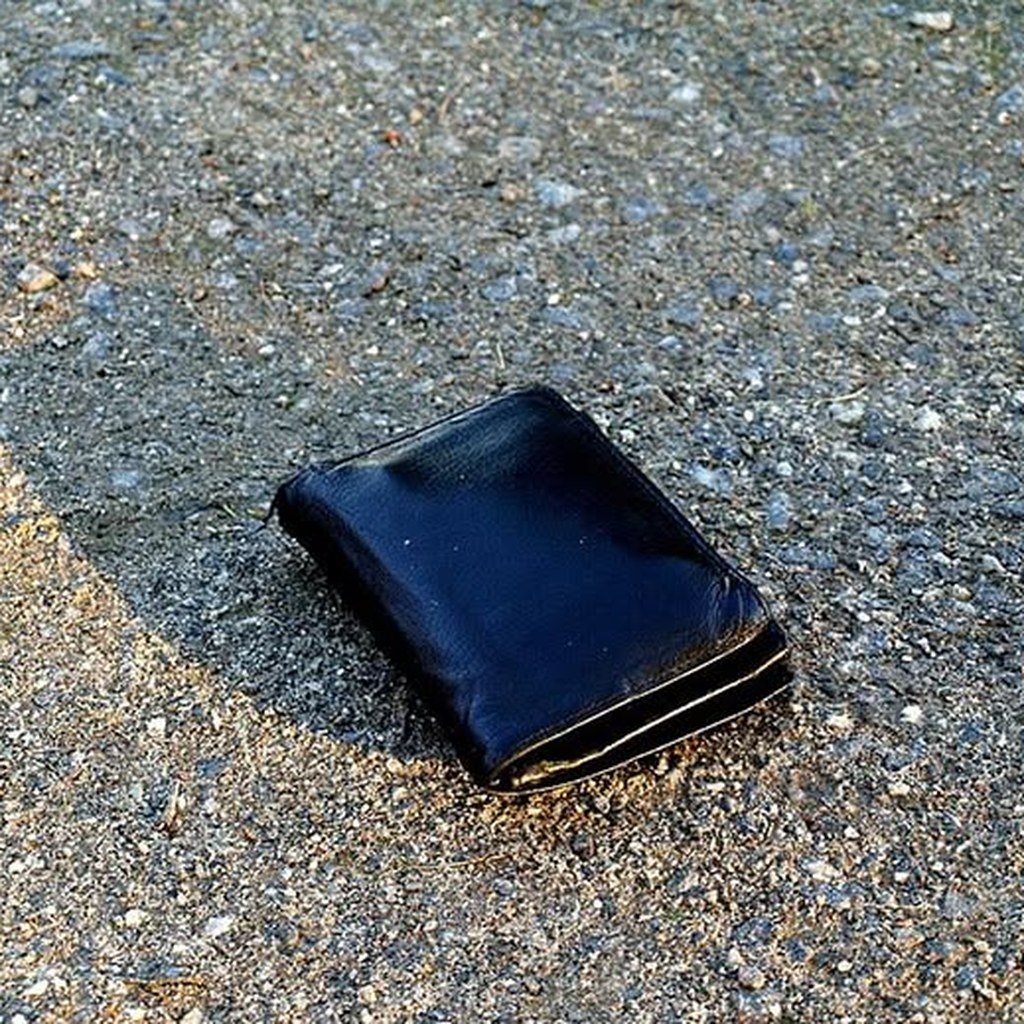
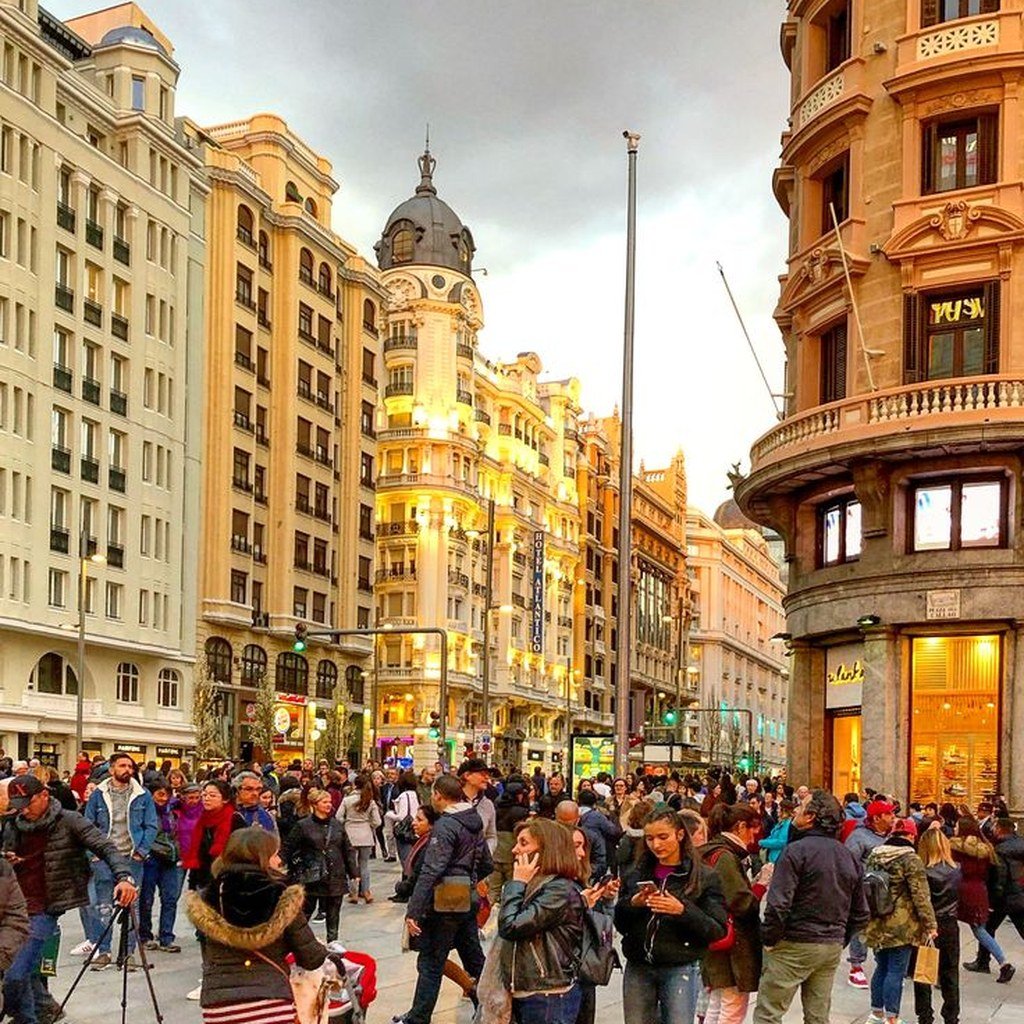
I forgot the card was there for two weeks, and then on a crowded afternoon in a packed square I reached for my pocket and found it flat and empty.
Someone had lifted the wallet clean, and I am sixty-eight and have mislaid wallets for years, but this time a stranger had it and everything I needed was inside it.
It was the kind of loss where you cancel everything and hope, and the two officers I found were honest that wallets taken there almost never come back.
They added that the police clear only about one of these cases in eight, wrote down what I told them, handed me a report number, and moved to the next person.
Recording the theft was as far as their job would ever take them, so standing there with an empty pocket, I remembered the card and the note promising I would thank him.
I opened the app the card paired to, and what came up stopped me where I stood, a map with a single dot in a courtyard two streets east of the square.
Beside the map was a thread of thousands of people sharing the same story, and one explanation kept repeating about why most lost wallets, bags and cars never come home.
The same idea came up again and again from people with nothing else in common, one who found a purse in minutes and one who watched a stolen case sit on a map.
I was sceptical and half sure it could not be that simple, but the stories were far too specific to wave away.
One man wrote that his airline called his checked bag lost for good, and he watched it travel for three days before telling them which depot to collect it from.
A woman left her wallet in a taxi, saw on her phone where the cab had stopped, and had it back in her hands by dinner that same evening.
I read for the better part of an hour, including one woman whose purse was snatched at a market and who was showing a guard the exact spot an hour later.
A retired firefighter who had lost three wallets said this card did more than every report he had filed, and a man whose car was taken handed police the address off his phone.
I looked at the charging pad on my dresser and finally understood the note, because my son-in-law had known exactly what he was giving me.
So let me tell you what the thread explained, because almost everyone you call after a loss is built to record it rather than to find it, and that decides how it ends.
The airline knows only the last place a scanner read your tag, the police hold a case number, and the bank cancels your cards and posts new ones within the week.
Every one of them records the loss and begins to replace it, and not a single one is set up to go to the spot where the thing actually is.
That is where the loss really comes from, because reports, claim forms and fresh cards do not find what is gone and can only pay you for it later.
To get it back you need the one thing none of them have, which is something inside the wallet that can report where it is.
The card sends a small signal that any passing phone picks up and relays back to you with the last place it was seen, so the location shows up on your own screen.
All of it works in the background while you sleep, with no wiring and nothing to plug in for months, which puts the location back in your own hands.
I opened the map again on the pavement, told a passer-by I was testing a theory, and one tap was all it took before the map settled and something had changed.
The wallet was not in my hand yet, but it was there on the screen, so I walked east down a narrow side street and within seconds of reaching the spot it was in my hand.
I went through every card on the walk back, and by that evening the whole wallet had come home to me with everything still inside it.
The card is called Stayfound, built for the exact problem the thread described, because most trackers are a loud puck or a round tag that bulges, and neither is the shape a wallet needs.
This one lies flat with your cards and shows you where they are, and I bought one for my brother, who says it is the only thing that ever handed him the location back.
Since then I have pressed one on a dozen friends and every one has thanked me, which is what I wish someone had told me years ago before I lost all those things for good.
A report will never find the thing for you, so a Stayfound card is the only thing I have found that shows you where your wallet went, and it comes three to a pack now.
I was glad I had kept mine the day my wallet walked off, and they back it with a lifetime warranty and a hundred days to send it back if it never helps you once.
Based on what I watched on that map, and the five quiet words from the man who gave me the card, I do not think you will ever be sending it back.
If you want one in your own wallet before your next trip, here is everything it is and where to get it:
1.8mm thin, works with Apple Find My, no wiring, no subscription, 8 months per charge, over 1,000,000 sold.
💳 Buy 2, Get 1 Free: 3 cards for $78, free shipping, lifetime warranty, 100-day returns. Shop at stayfoundco.com